 Amanze Chinonye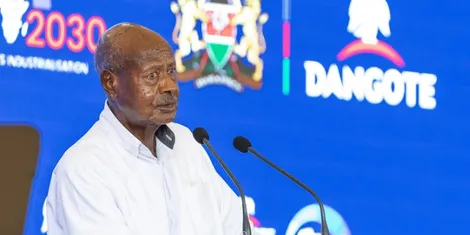
Uganda will proceed with plans to build a 60,000-barrel-per-day oil refinery despite the launch of a much larger $16 billion refinery project in neighbouring Kenya, President Yoweri Museveni said on Wednesday.
Join our WhatsApp Channel
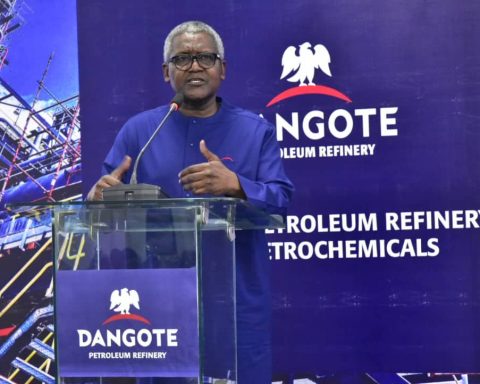
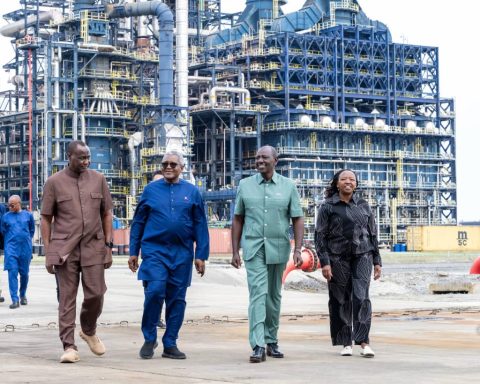
Museveni made the comments at the groundbreaking of Nigerian billionaire Aliko Dangote’s planned 700,000-bpd refinery at Lamu, saying East Africa had sufficient demand to support several refineries.
READ ALSO :
Uganda’s planned facility at Kabaale in the western district of Hoima will serve the domestic market and other countries in the region, he said.
“We are going to build a small refinery in Uganda. We had planned this long ago. We can’t change that,” Museveni said, adding that the facility would produce for Uganda and the interior parts of Africa.
Uganda’s refinery project, estimated at about $4 billion, is being developed with United Arab Emirates-based Alpha MBM Investments. The government has signed implementation agreements for the facility, which is planned for Kabaale, near Uganda’s oil-producing region.
The decision comes as Dangote begins construction of the 700,000-bpd Lamu refinery, which is expected to supply petrol, diesel and jet fuel to Kenya and other East African markets. Dangote has offered regional governments a combined 30% stake in the project.
Museveni said Uganda could consider taking a stake in the Lamu refinery but would first consult Tanzanian President Samia Suluhu Hassan and Kenyan President William Ruto about an earlier proposal for a regional refinery at Tanzania’s Tanga port. Dangote had previously considered Tanga as a possible location before choosing Lamu.
READ MORE :
Kenya Court Keeps Lamu Refinery Plans on Track Despite Land Challenge
Uganda’s refinery is intended to reduce the country’s reliance on imported petroleum products while providing a domestic outlet for its crude. The government also expects the project to support fuel security, regional exports and downstream industries.
The two projects underscore East Africa’s push to expand refining capacity as Uganda develops its oil resources and the region seeks to reduce reliance on imported refined petroleum products.
The Lamu project, however, faces legal and environmental challenges, including a land dispute brought by residents and concerns from conservation groups about its potential impact on the coastal ecosystem.

Amanze Chinonye is a Staff Correspondent at Prime Business Africa, a rising star in the literary world, weaving captivating stories that transport readers to the vibrant landscapes of Nigeria and the rest of Africa. With a unique voice that blends with the newspaper's tradition and style, Chinonye's writing is a masterful exploration of the human condition, delving into themes of identity, culture, and social justice. Through her words, Chinonye paints vivid portraits of everyday African life, from the bustling markets of Nigeria's Lagos to the quiet villages of South Africa's countryside . With a keen eye for detail and a deep understanding of the complexities of Nigerian society, Chinonye's writing is both a testament to the country's rich cultural heritage and a powerful call to action for a brighter future. As a writer, Chinonye is a true storyteller, using her dexterity to educate, inspire, and uplift readers around the world.