 MARCEL MBAMALU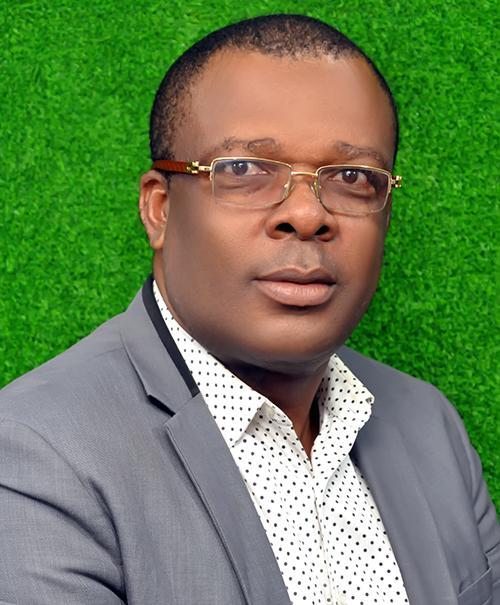
There is a road out of Lafia where trucks leave every night loaded with stones that will power Tesla batteries in Berlin and solar storage in Beijing, but cannot power the village they left.
That is the story of Nigeria’s lithium – and why the United Nations intervention this week matters.
Join our WhatsApp ChannelOn Wednesday, September 23, in New York, UN Secretary-General Antonio Guterres named Nigeria among the first six countries for a new Country Support Mechanism on Critical Energy Transition Minerals. The others: Guinea, Indonesia, Madagascar, Zambia and Zimbabwe.
READ ALSO: Lights Off, Gas On: Why Nigeria and Ghana Can’t Quit Fossil Fuels Yet
Just Energy Transition: Can Nigeria and Ghana Turn $410bn Promises Into Power?
His message was blunt: countries that hold the minerals powering the energy transition must be the first to benefit from them.
It is a message Nigeria has heard before.
Critical minerals – lithium, copper, nickel, cobalt, rare earths – are the oil of this century. They are the backbone of electric cars, solar panels and battery storage. The UN says demand will nearly triple by 2030.
But in Nigeria, the old pattern is already repeating.
Our lithium in Nasarawa, Kogi and Kwara is being mined informally, exported raw, processed in China, and sold back to us as expensive batteries. The community that hosts the mineral bears the environmental cost. The country that owns it captures almost none of the industrial value.
We have been here before.
As this column has argued, Nigeria and Ghana face the same just transition dilemma: expanding access while cleaning up, all inside broken systems. Nigeria’s grid collapsed 12 times in 2024. Ghana is weighed down by billions in arrears to power producers. In both countries, citizens pay twice – once to the DisCo and once to the generator man in Alaba.
Now lithium risks entering that same equation: wealth that leaves, darkness that stays.
The UN scheme, to be led by UNDP and the UN Development Coordination Office, promises something different from past declarations. It is operational. It will focus on four weak links where Nigeria always fails: fixing mining codes and contracts, forcing local processing instead of raw exports, protecting communities, and making deals transparent and bankable.
Without that, as Guterres’ adviser Selwin Hart warned, we remain trapped at the bottom of global value chains – mere exporters of raw materials while others industrialise on our back.
This is test for just transition. Who pays and who profits?
Zambia, Africa’s second largest copper producer, Zimbabwe, the continent’s biggest lithium supplier, and Guinea, the world’s largest bauxite holder, have all banned raw exports to force value addition. Nigeria has announced similar bans. Enforcement is still a joke.
The real test is not in New York. It is in Lafia. Will the woman whose farmland sits on lithium get a job in a processing plant, cleaner water and cheaper power from battery storage? Or will she only watch the trucks leave?
If this UN mechanism works, Nigeria can finally use its own transition minerals to deliver what the Energy Transition Plan promised: mini-grids for unserved communities, storage to stabilise the grid, local assembly for EVs and solar.
We can turn the generator economy into a battery economy.
If it fails, we will write a new chapter of the resource curse. This time, it will not be written in crude. It will be written in lithium.
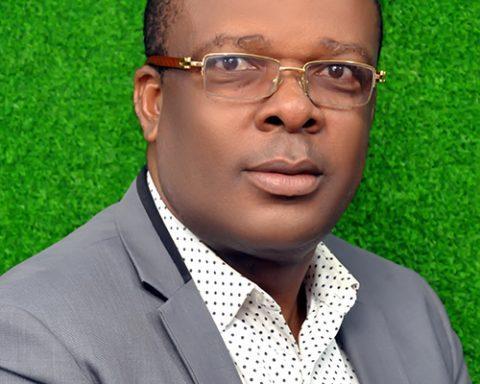
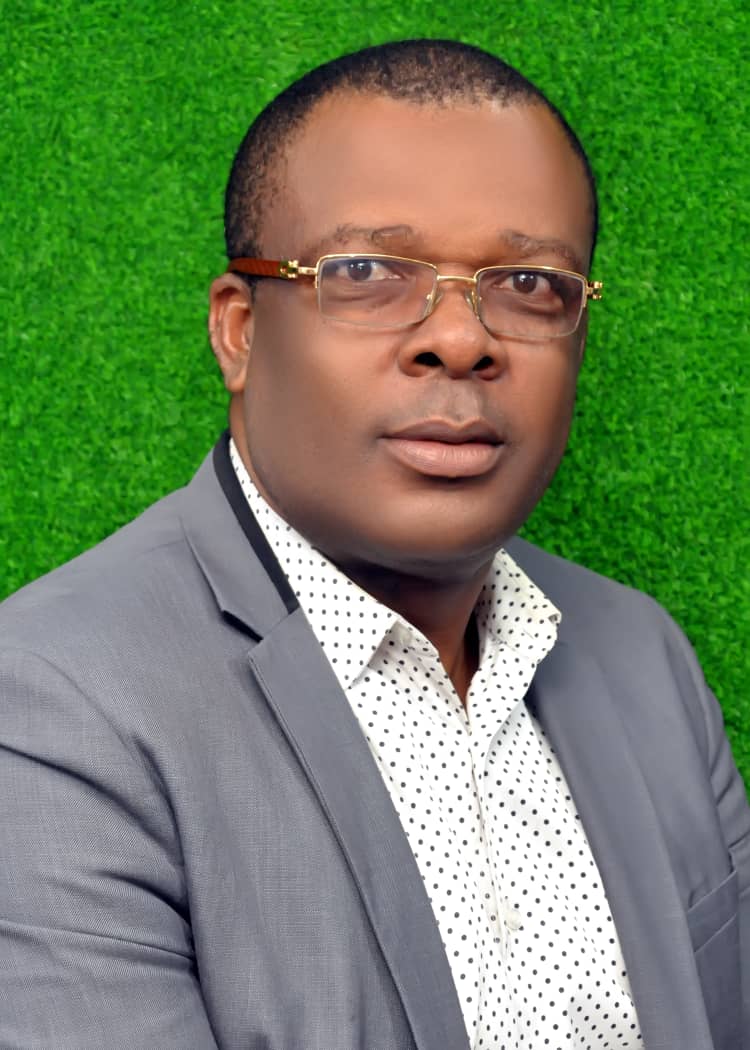
Mbamalu is Publisher of Prime Business Africa and PUNCH Bottom Line columnist. His forthcoming book is “Power, People & Proof: A Field Guide to Reporting Just Energy Transition in Nigeria and Ghana.”

Dr. Marcel Mbamalu is a distinguished communication scholar, journalist, and entrepreneur with three decades of experience in the media industry. He holds a Ph.D. in Mass Communication from the University of Nigeria, Nsukka, and serves as the publisher of Prime Business Africa, a renowned multimedia news platform catering to Nigeria and Africa's socio-economic needs.
Dr. Mbamalu's journalism career spans over two decades, during which he honed his skills at The Guardian Newspaper, rising to the position of senior editor. Notably, between 2018 and 2023, he collaborated with the World Health Organization (WHO) in Northeast Nigeria, training senior journalists on conflict reporting and health journalism.
Dr. Mbamalu's expertise has earned him international recognition. He was the sole African representative at the 2023 Jefferson Fellowship program, participating in a study tour of the United States and Asia (Japan and Hong Kong) on inclusion, income gaps, and migration issues.
In 2020, he was part of a global media team that covered the United States presidential election.
Dr. Mbamalu has attended prestigious media trainings, including the Bloomberg Financial Journalism Training and the Reuters/AfDB Training on "Effective Coverage of Infrastructural Development in Africa."
As a columnist for The Punch Newspaper, with insightful articles published in other prominent Nigerian dailies, including ThisDay, Leadership, The Sun, and The Guardian, Dr. Mbamalu regularly provides in-depth analysis on socio-political and economic issues.