Amanze Chinonye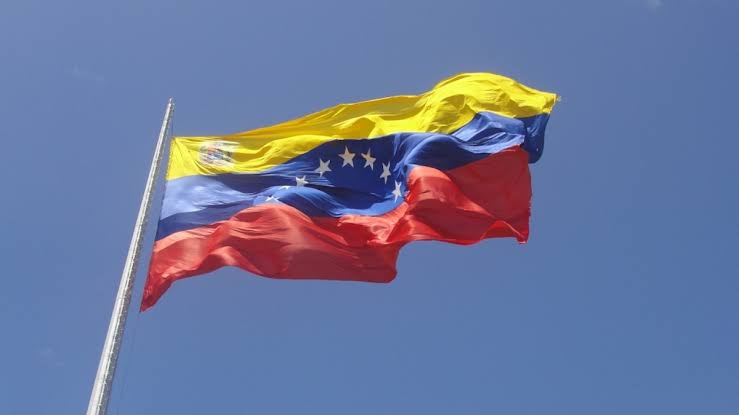
Venezuela has granted North American Blue Energy Partners (NABEP) 100-year concessions covering 17 oil fields, expanding U.S. involvement in the country’s oil industry under a deal that gives Washington a direct stake and preferential access to crude production.
Join our WhatsApp Channel
The terms were disclosed by the White House on Monday. The agreement gives the U.S. government a 35% stake in NABEP’s parent company through the Pentagon’s Office of Strategic Capital, as well as veto rights over board appointments. A majority of the company’s board must be U.S. citizens, according to the White House.
READ ALSO :
U.S. Energy Secretary Wright Visits Caracas to Boost Venezuela Energy Ties
The fields hold an estimated 65 billion barrels of proven oil reserves, equivalent to about one-fifth of Venezuela’s total proven reserves, the White House said.
The U.S. State Department will have the right to buy 20% of NABEP’s output at production cost and a right of first refusal on the remaining 80%, according to the White House.
NABEP, a privately held company controlled by Venezuelan businessman Alejandro Betancourt, plans to invest up to $100 billion in Venezuela’s oil infrastructure. The White House estimates the investment could generate about $200 billion in royalties and taxes for Venezuela over the first 25 years.
The company currently produces more than 200,000 barrels per day and plans to increase output substantially, according to company statements cited by U.S. media.
Reviving production is likely to require extensive rehabilitation of ageing fields and infrastructure after years of underinvestment and deterioration in Venezuela’s oil industry.
READ MORE :
Trump Demands Venezuela Expel China, Russia as Condition for Increased Oil Production
The agreement has drawn scrutiny from some major international oil producers weighing investments in Venezuela. Reuters reported that companies including Exxon Mobil and ConocoPhillips have raised concerns about legal and contractual uncertainties surrounding the country’s oil sector.
Betancourt’s involvement has also attracted attention. Reuters reported that he has previously been investigated by U.S. and European authorities over his business dealings in Venezuela but was never charged.
The White House has described the agreement as part of a broader effort to rebuild Venezuela’s oil industry and strengthen U.S. energy security.
The deal represents a significant change in the structure of U.S. involvement in Venezuela’s oil sector, giving Washington an ownership interest, governance powers and preferential access to production from fields containing a substantial share of the country’s proven reserves.

Amanze Chinonye is a Staff Correspondent at Prime Business Africa, a rising star in the literary world, weaving captivating stories that transport readers to the vibrant landscapes of Nigeria and the rest of Africa. With a unique voice that blends with the newspaper's tradition and style, Chinonye's writing is a masterful exploration of the human condition, delving into themes of identity, culture, and social justice. Through her words, Chinonye paints vivid portraits of everyday African life, from the bustling markets of Nigeria's Lagos to the quiet villages of South Africa's countryside . With a keen eye for detail and a deep understanding of the complexities of Nigerian society, Chinonye's writing is both a testament to the country's rich cultural heritage and a powerful call to action for a brighter future. As a writer, Chinonye is a true storyteller, using her dexterity to educate, inspire, and uplift readers around the world.