 Etim Etim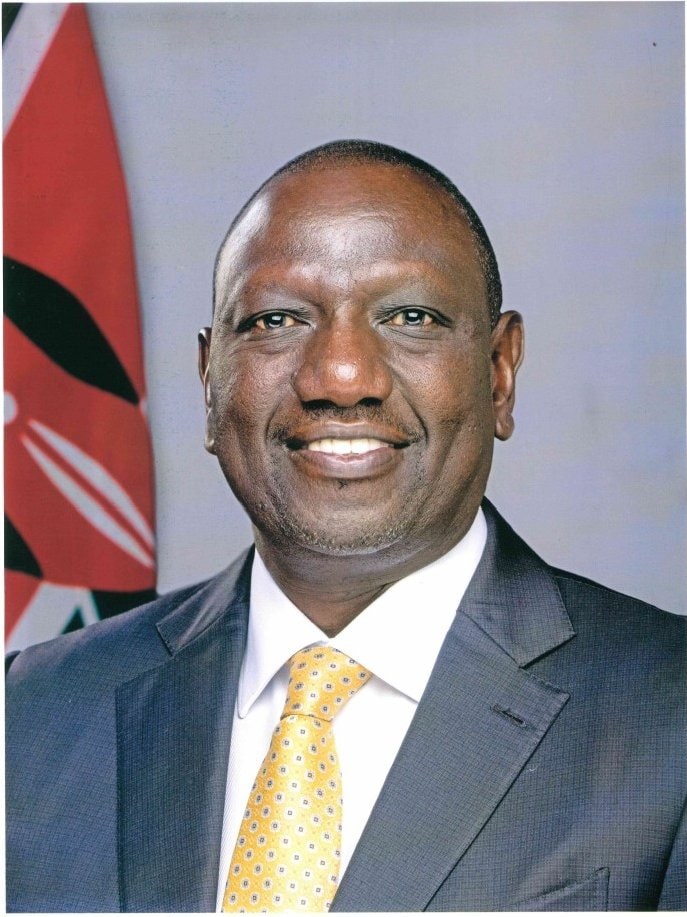
Every May 25, Africans from different walks of life and people of African heritage across the globe celebrate Africa Day. The day represents the collective struggle of African peoples against colonialism, apartheid, racial oppression, economic exploitation, and cultural domination. It is a reminder that Africans share a common history, common wounds, common aspirations, and ultimately, a common destiny.
It was on May 25, 1963, that the Organisation of African Unity (OAU) was founded. The OAU became the African Union (AU) in 2002. The commemoration takes different forms in different countries. Some, like South Africa, Zambia, Zimbabwe, Namibia, Mali, Guinea, and Lesotho, formally recognise Africa Day and observe it as a public holiday because they understand the importance of symbols in nation-building and continental identity. The Nigerian government does not pay adequate attention to the day, and very few organisations mark it. It was therefore a pleasant surprise when I walked into a branch of Access Bank on Monday, May 25 and noticed that the staff were all dressed in African attire. They gladly reminded me that it was Africa Day!
An organisation known as The Pan African Dialogue Institute (TPADI) also celebrates Africa Day every year. TPADI is an international think tank of African academics, professionals, students, civil society actors, and grassroots leaders from across Africa and the diaspora, united by a common commitment to the study, practice, and advancement of Pan-Africanism. Located at the University of Uyo, the institute operates through education, policy engagement, and community-centred projects aimed at promoting African unity, dignity, social justice, cultural pride, peacebuilding, and continental development.
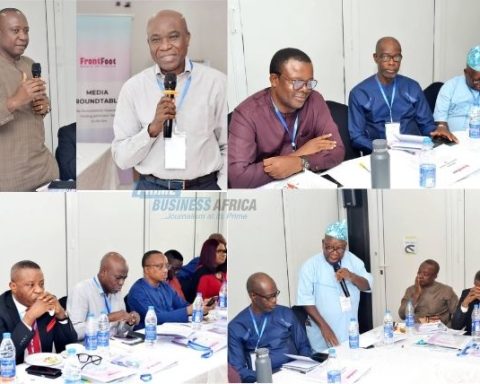
Join our WhatsApp ChannelThis year, it organised a panel discussion at the University of Uyo on the theme ‘’Nigeria on global Pan Africanism’’. I was a member of the panel along with Prof Gabriel Umoh and Rev. Father Dr Emem Umoren, both of the University of Uyo, as well as Mrs Imaobong Udoh, General Manager of Akwa Ibom Broadcasting Corporation. I made the point that Nigeria has lost its prestige in Africa and in the global arena due to the cumulative effects of bad leadership over the years. I advised the university students to take the ideals of pan-Africanism seriously and develop a sense of self-pride and self-love. ‘’You can never achieve much in life if you do not love yourself, your community and your country. You must love the fact that you are an African and take pride in your ancestry’’, I said.
The President of TPADI, Dr Effiong Udoh, an associate professor of New Testament Literature, Dialogue and Peace building, delivered a resounding opening message, in which he addressed issues of xenophobia, Afrophobia, cultural alienation and continental division and called on the federal government to officially declare May 25 as Africa Day and recognise it as a National Public Holiday. In addition, the Nigerian government should integrate Pan-African studies and African history more intentionally into educational curricula; support national Africa Day festivals, lectures, exhibitions, and cultural activities; promote indigenous African languages and cultural heritage; encourage public institutions and media organisations to advance Pan-African consciousness; and lead continental conversations against xenophobia, Afro-phobia, and anti-African hostility. He asked civil society organisations, universities, youth groups, traditional institutions, artists, media practitioners, religious communities, and the African diaspora to join the campaign to have Nigeria recognise Africa Day.
“Despite Nigeria’s enormous sacrifices for African liberation and continental solidarity in the past, Africa Day remains unrecognised officially within our national life. This omission has become increasingly concerning in a period when Africa faces rising internal fragmentation, Afro-phobia, xenophobic hostility, cultural alienation, and growing disrespect among Africans themselves’’, he intoned, noting that his advocacy for the recognition of Africa Day is rooted in recent experiences on the continent. There have been disturbing waves of xenophobic and anti-African sentiments in parts of the continent and repeated tensions and attacks directed against fellow Africans in South Africa. Nigerians and Nigerian businesses have also been routinely attacked in Ghana.”These developments are painful because they contradict the spirit of brotherhood for which our forebears sacrificed immensely. When Africans begin to see fellow Africans as enemies, competitors, invaders, or outsiders, then the Project of Pan-Africanism is under attack”.
The recent remarks by the Kenyan President William Ruto, in which the Kenyan leader mocked Nigerians for the peculiar manner in which we speak English, also came under scrutiny in Dr Udoh’s statement. Such comments, according to him, even when it is presented humorously, reinforce unhealthy stereotypes, deepen unnecessary divisions, and weaken the spirit of African solidarity that our leaders should be protecting. Africa does not need ridicule among brothers. The scholar noted that the tragedy of colonialism was not only territorial occupation; it was also psychological dislocation. Colonial systems trained Africans to compete for validation through foreign languages, foreign cultures, foreign standards, and foreign approval. Therefore, when Africans mock one another based on foreign accents, nationality, or colonial linguistic inheritances, we unconsciously continue the very divisions colonialism created.
READ ALSO: Africa Day 2024: Celebrating Africa With Pomp And Pageantry
Nigeria’s greatness is not measured by a foreign language accent. It is measured by resilience, creativity, population strength, intellectual contributions, entrepreneurship, cultural influence, and continental sacrifice. Likewise, Kenya’s greatness, Ghana’s greatness, and South Africa’s greatness are not diminished by mutual respect and fraternity. Africa rises when Africans rise together. This is precisely why Nigeria must institutionalise Africa Day.
An official recognition of May 25 as a public holiday, Dr. Udoh argued, would provide annual opportunities for civic education, cultural diplomacy, historical reflection, and continental engagement. It would create space for schools, universities, media institutions, civil society groups, traditional institutions, and government agencies to educate younger generations about African history, civilisations, liberation struggles, and contemporary challenges. Africa Day in Nigeria can become:
A platform for confronting xenophobia and Afro-phobia;
A day for promoting African cultural literacy and historical consciousness;
An avenue for strengthening continental diplomacy and African cooperation;
A forum for discussing trade, migration, peacebuilding, and development in Africa.
A platform for celebrating African arts, literature, fashion, music, films, and creativity;
A national moment for promoting unity among Nigerians through shared African identity.
Dr Udoh also criticised the case of three young jobseekers in Akwa Ibom State who were reportedly mocked, humiliated, and denied access to a Civil Service recruitment process because they graduated in the Ibibio language. “This incident is deeply troubling and unacceptable. What message are we sending to African children when mastery of indigenous African languages becomes a basis for ridicule rather than pride? What kind of future are we building when young Africans are punished socially or institutionally for preserving their mother tongues?
He said: “Across the world, powerful nations proudly preserve and promote their indigenous languages as vessels of identity, memory, philosophy, and civilisation. The Chinese protect Mandarin. The French defend French cultural identity. The Arabs preserve Arabic. Indians proudly advance Hindi and other indigenous languages. Why then should we continue to treat our own languages as inferior? This mentality is a lingering consequence of colonialism and cultural alienation. It is common knowledge that language is not merely a tool of communication; language carries worldview, history, spirituality, wisdom, proverbs, values, and collective memory. When African languages are mocked, African identity itself is mocked. The humiliation of those young applicants, therefore, goes beyond an isolated employment issue. It represents a broader crisis of cultural self-rejection among many Africans. It exposes the urgent need for national reorientation and Pan-African consciousness.
“If Africa Day is institutionalised in Nigeria, it can provide annual opportunities for celebrating indigenous African languages, oral traditions, local philosophies, and cultural knowledge systems. Such a day can help restore dignity to African identity and encourage younger generations to embrace their heritage with confidence rather than shame.
“We at The Pan-African Dialogue Institute hereby caution that no Nigerian or African child should ever be mocked for speaking, studying, or preserving an African language. Instead, such individuals should be celebrated as custodians of our collective heritage. Just as a renowned African scholar Ngũgĩ wa Thiong’o rightly stated: “Language carries culture, and culture carries the entire body of values by which we come to perceive ourselves and our place in the world.” Therefore, Africa Day should also become a platform for celebrating indigenous African languages, oral traditions, philosophies, and cultural knowledge systems”.