 MARCEL MBAMALU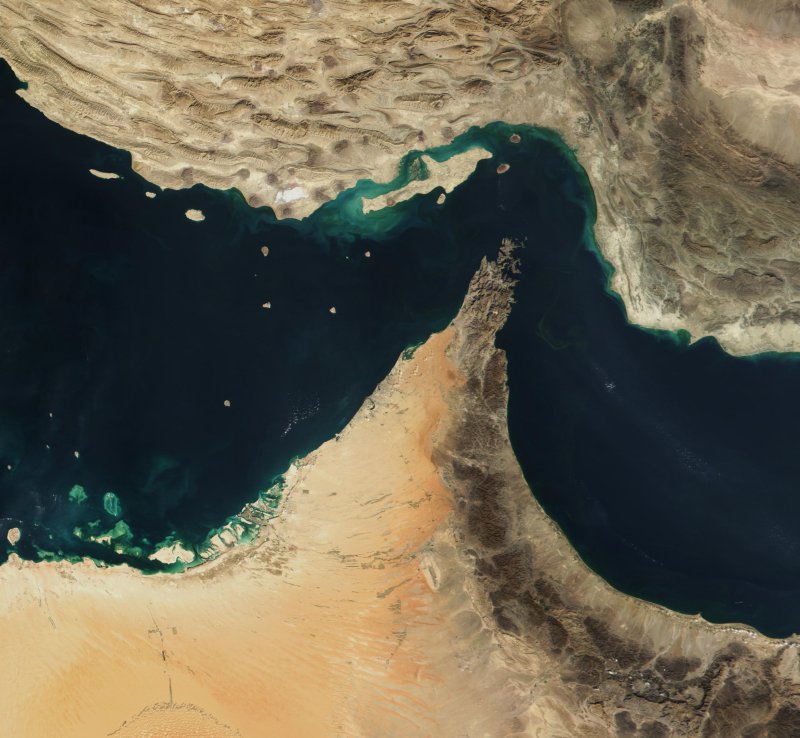
The crisis in and around the Strait of Hormuz has escalated beyond isolated military exchanges to become a defining risk factor for global energy markets.
Targeted strikes late last month by the United States and Israel against Iranian military infrastructure quickly sparked a broader confrontation, threatening one of the world’s most important oil chokepoints.
Join our WhatsApp Channel
This is notwithstanding the fact that the Strait of Hormuz remains open. The conflict and the wider US Israel Iran war have already inflicted significant human and economic tolls.
Iranian authorities report over 3 000 deaths in Iran, while fighting and retaliatory strikes have killed at least 1 000 people in Lebanon, around 30 in Israel, and 15 US service members.
Mines, drones, and fast attack boats have made ordinary mariners particularly vulnerable, raising concern among shipowners and maritime unions.
Several commercial vessels have been damaged or sunk, with insurers recording at least half a dozen major incidents since hostilities escalated.
Key energy infrastructure, including loading terminals and offshore platforms in the Gulf, has reported operational losses measured in the tens of millions of dollars, as delays and repairs mount.
The wider economic impact is already visible. Brent crude, which averaged above $90 per barrel before the crisis, briefly rose toward $110 per barrel as risk premiums spiked. Freight insurance for tankers has more than doubled, and shipping delays have disrupted global supply chains. Higher fuel costs feed into inflation across multiple countries, adding two to three percentage points to consumer energy costs in some economies.
The UN Secretary-General, Antonio Guterres, has called on the United States and Israel to end the war. Early diplomatic efforts, including tentative ceasefire talks and back-channel outreach, have largely failed.
Iran responded with explicit threats and attacks on commercial shipping, signalling its ability to leverage a narrow passage through which a significant share of global energy supplies flows. At the time the conflict began, Donald Trump claimed the attacks were meant to eliminate an “imminent threat” from the Iranian regime to the American people. Among other damages caused by the war, global fuel prices have already risen, highlighting how local conflict ripples through the world economy.
READ ALSO : Hormuz Disruption Exposes Hidden Risk to Global Food Supply as Fertiliser Markets Tighten
US Deploys 2,500 Marines to Middle East Amid Escalating Strait of Hormuz Tensions
Strait of Hormuz on the Brink
The Strait of Hormuz, just 33 kilometres wide at its narrowest, handles roughly one-fifth of the world’s crude oil and liquefied natural gas daily. While the strait remains open, the perception of risk among shipowners, insurers, and traders keeps markets jittery.
Full-scale naval warfare has so far been avoided. Sporadic skirmishes, drone and missile threats, and isolated mine incidents continue to unsettle shipping. Iran’s maritime capability has degraded but not been eliminated. It cannot dominate the strait, but retains enough asymmetric leverage to pose intermittent risk.
The strait therefore remains technically open, but risks persist. US forces patrol the region, yet cannot guarantee absolute safety, while Iran’s asymmetric tactics, drones, mines, and fast boats, allow disruption without controlling the waterway. Global markets respond not to closure, but to perceived threat, keeping oil prices elevated and freight insurance premiums high.
Based on reported analysis, global oil supply chains are adapting to these persistent risks. Many tankers travel under heavy naval escort, while others avoid the route entirely, causing delays and higher shipping costs. Some countries have released strategic reserves to limit price spikes and reassure markets.
Long-term adjustments are also underway. Exporters and traders are increasing reliance on alternative pipelines and shipping routes, such as connections to the Red Sea, though they cannot match Hormuz’s capacity. Investors and energy firms are placing renewed emphasis on oil security, resilience, and diversification of supply chains, seeking to mitigate exposure to regional disruptions.
Implications for the Global South Including Nigeria
The conflict around the Strait of Hormuz has not only affected those directly facing the war, but also countries in the Global South through higher oil prices and economic disruption.
In Nigeria, petrol is currently being sold at around N1 150 to N1 200 per litre, and inflationary pressures are already elevated following subsidy removal, so global fuel price increases exacerbate the strain on households and businesses.
Exchange rates and foreign reserves may see short-term gains from higher export earnings, but volatility continues to undermine currency stability, limiting the positive impact. Freight insurance, shipping delays, and rising import costs further add pressure, showing that the conflict’s economic effects extend far beyond the immediate region of hostilities.
Although early diplomatic efforts failed, the crisis demonstrates that military action alone cannot restore stability. Oil stocks and shipping flows cannot fully recover until perceived risk becomes predictable. Naval operations and strikes may reduce immediate threats, but they do not eliminate the underlying tension or Iran’s asymmetric capability to disrupt shipping.
Effective diplomacy could establish clearly communicated limits of engagement, mutually recognised ceasefires, and confidence-building measures for shipping companies and insurers. Such steps would stabilise market expectations, allowing freight and oil prices to normalise.
As markets continue to react to perceived risk, keeping oil prices high and shipping cautious, only diplomacy, not force, can fully stabilize global oil supply chains. For countries like Nigeria, the effects are complex: higher crude export revenue may bring short-term gains, but import costs, fuel prices, and inflation rise alongside market uncertainty.
Therefore, conflict in and around the Strait of Hormuz is serious but not yet an all-out war. Military action has achieved tactical success, degrading Iran’s capabilities, yet its strategic impact remains limited.
Ultimately, confidence depends on diplomacy, clearly communicated limits, and mutually recognised measures to build trust.

Amanze Chinonye is a Staff Correspondent at Prime Business Africa, a rising star in the literary world, weaving captivating stories that transport readers to the vibrant landscapes of Nigeria and the rest of Africa. With a unique voice that blends with the newspaper's tradition and style, Chinonye's writing is a masterful exploration of the human condition, delving into themes of identity, culture, and social justice. Through her words, Chinonye paints vivid portraits of everyday African life, from the bustling markets of Nigeria's Lagos to the quiet villages of South Africa's countryside . With a keen eye for detail and a deep understanding of the complexities of Nigerian society, Chinonye's writing is both a testament to the country's rich cultural heritage and a powerful call to action for a brighter future. As a writer, Chinonye is a true storyteller, using her dexterity to educate, inspire, and uplift readers around the world.