Inside the monthly meetings of the Federation Account Allocation Committee, one complaint has come up again and again — not enough money to share.
State officials have long questioned why large portions of oil revenue never made it into the pool before distribution.
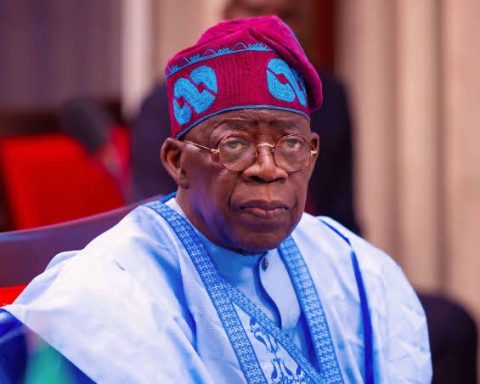
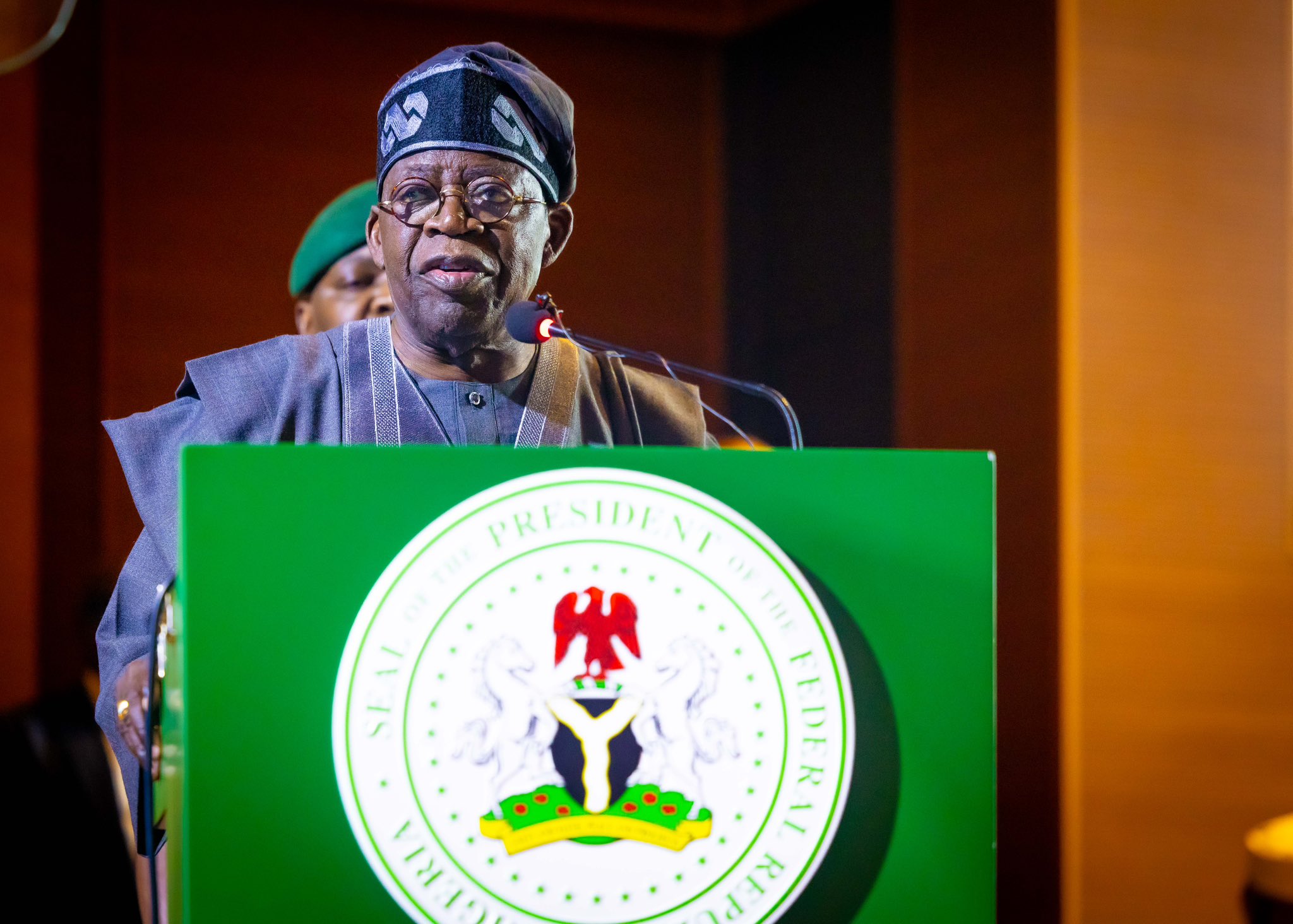
Now, a new order by President Bola Ahmed Tinubu is changing that calculation — and unsettling the system behind it.
Join our WhatsApp ChannelThe directive stops the Nigerian National Petroleum Company Limited from deducting management fees and contributions to the Frontier Exploration Fund before remitting revenues. Instead, all earnings must first go into the federation account.
An analysis of FAAC records shows what is at stake.
Between 2022 and 2025, the national oil company retained about ₦2.1tn through those deductions — rising from just ₦20.7bn in 2022 to nearly ₦907bn in 2025, with sharp swings in between.
For many state governments, that money represents roads not built, salaries delayed and projects left hanging.
“This has always been the concern,” a state official familiar with FAAC deliberations said quietly. “You cannot deduct first and then expect the states to manage what is left.”
But away from Abuja’s allocation rooms, the mood is different.
Within the oil sector, the order is being read less as a clean reform and more as a disruption to how the industry functions.
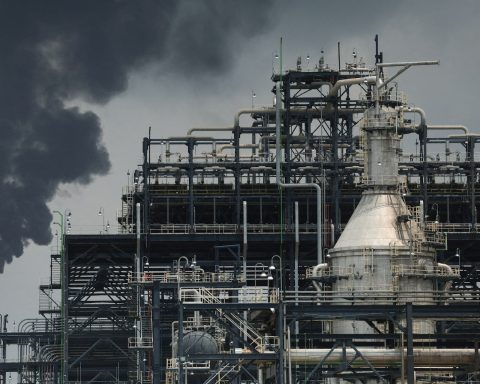
A senior official at the national oil company warned that the deductions were not arbitrary, but tied to the mechanics of running complex oil operations — especially production-sharing contracts in deepwater fields.
“We are talking about real operations, not just figures on paper,” the official said. “Hundreds of staff are involved daily.”
According to him, between 400 and 500 workers are directly engaged in managing these contracts across nearly 40 sites, including offshore platforms where production, cost monitoring and compliance are handled in real time.
At the centre of the concern is the Frontier Exploration Fund, created under the Petroleum Industry Act to finance oil searches in less-developed basins such as Chad and Sokoto.
Industry players say removing its funding stream without a clear alternative could slow exploration and send mixed signals to investors already wary of policy shifts.
READ ALSO:
Tinubu Calls for Constitutional Change to Allow State Police
There is also a legal question.
While the government frames the directive as a return to constitutional order — insisting that all revenues must first be remitted — analysts say it may clash with provisions of the Petroleum Industry Act that allow certain operational deductions.
Labour unions have stepped in, urging caution.
The Petroleum and Natural Gas Senior Staff Association of Nigeria has called for clarity on how projects will be funded going forward, warning that uncertainty could affect both production and jobs.
Behind the debate is a deeper tension — between immediate fiscal needs and long-term industry stability.
Supporters of the policy argue that if the deductions had been halted earlier, the federation could have gained the full ₦2.1tn, easing pressure on public finances.
Critics, however, say the same funds were part of a system designed to keep the oil sector running efficiently.
For now, a presidential committee has been tasked with overseeing implementation.
Whether the order ultimately delivers more money to government coffers — or creates new complications in Nigeria’s most critical industry — will depend on how that balance is managed.

Prosper Okoye is a Correspondent and Research Writer at Prime Business Africa, a Nigerian journalist with experience in development reporting, public affairs, and policy-focused storytelling across Africa