 Amanze Chinonye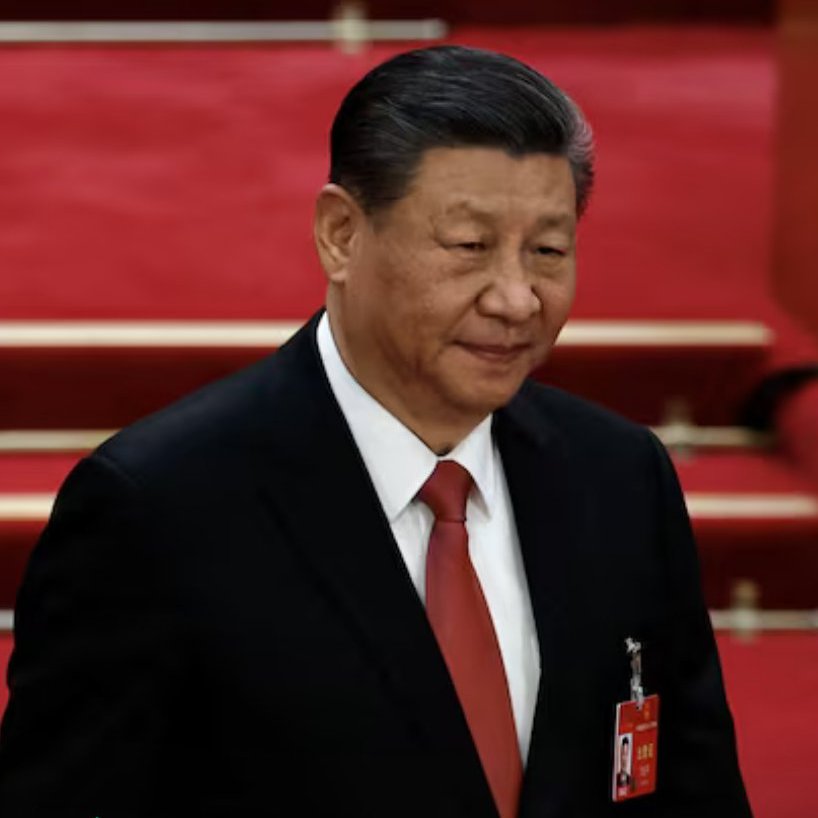
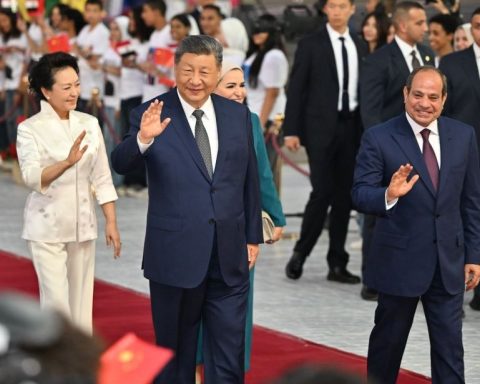
President Xi Jinping has announced that China will eliminate tariffs on imports from all African countries with which it maintains diplomatic relations, beginning May 1, in a sweeping expansion of Beijing’s zero-tariff trade policy across the continent.
The decision extends an existing “zero tariff” arrangement that already applies to 33 African nations, most of them classified as least developed countries (LDCs). Under the new policy, 53 African countries will enjoy duty-free access to the Chinese market.
Eswatini remains the only country on the continent excluded from the arrangement due to its diplomatic ties with Taiwan. Beijing considers Taiwan part of its territory and requires countries seeking formal relations with China to sever official diplomatic recognition of Taipei.
Join our WhatsApp ChannelREAD ALSO : China–Nigeria Trade Reaches $22.3bn, Beijing Says
Trump Threatens 100% Tariffs on Canadian Goods Over China Trade Deal
China is Africa’s largest trading partner, with bilateral trade running into hundreds of billions of dollars annually. The tariff waiver is expected to deepen commercial ties and potentially boost African exports ranging from agricultural produce and minerals to manufactured goods.
Beyond removing tariffs, Chinese authorities have indicated that additional trade facilitation measures including streamlined customs procedures and expanded market access channels will accompany the policy shift.
While framed as an economic initiative, the exclusion of Eswatini underscores the geopolitical dimension of China’s Africa policy. Eswatini is currently the only African country maintaining full diplomatic relations with Taiwan, a position that places it outside Beijing’s expanded trade framework.
Trade analysts say the zero tariff expansion could enhance competitiveness for African exporters in the Chinese market, particularly for value-added agricultural goods and processed commodities. However, economists note that the extent of the benefit will depend on African countries’ production capacity, quality standards, and ability to meet Chinese import requirements.
The tariff decision marks one of the most comprehensive market-access commitments China has made toward Africa in recent years, further consolidating its position as a dominant economic partner on the continent.

Amanze Chinonye is a Staff Correspondent at Prime Business Africa, a rising star in the literary world, weaving captivating stories that transport readers to the vibrant landscapes of Nigeria and the rest of Africa. With a unique voice that blends with the newspaper's tradition and style, Chinonye's writing is a masterful exploration of the human condition, delving into themes of identity, culture, and social justice. Through her words, Chinonye paints vivid portraits of everyday African life, from the bustling markets of Nigeria's Lagos to the quiet villages of South Africa's countryside . With a keen eye for detail and a deep understanding of the complexities of Nigerian society, Chinonye's writing is both a testament to the country's rich cultural heritage and a powerful call to action for a brighter future. As a writer, Chinonye is a true storyteller, using her dexterity to educate, inspire, and uplift readers around the world.