 Amanze Chinonye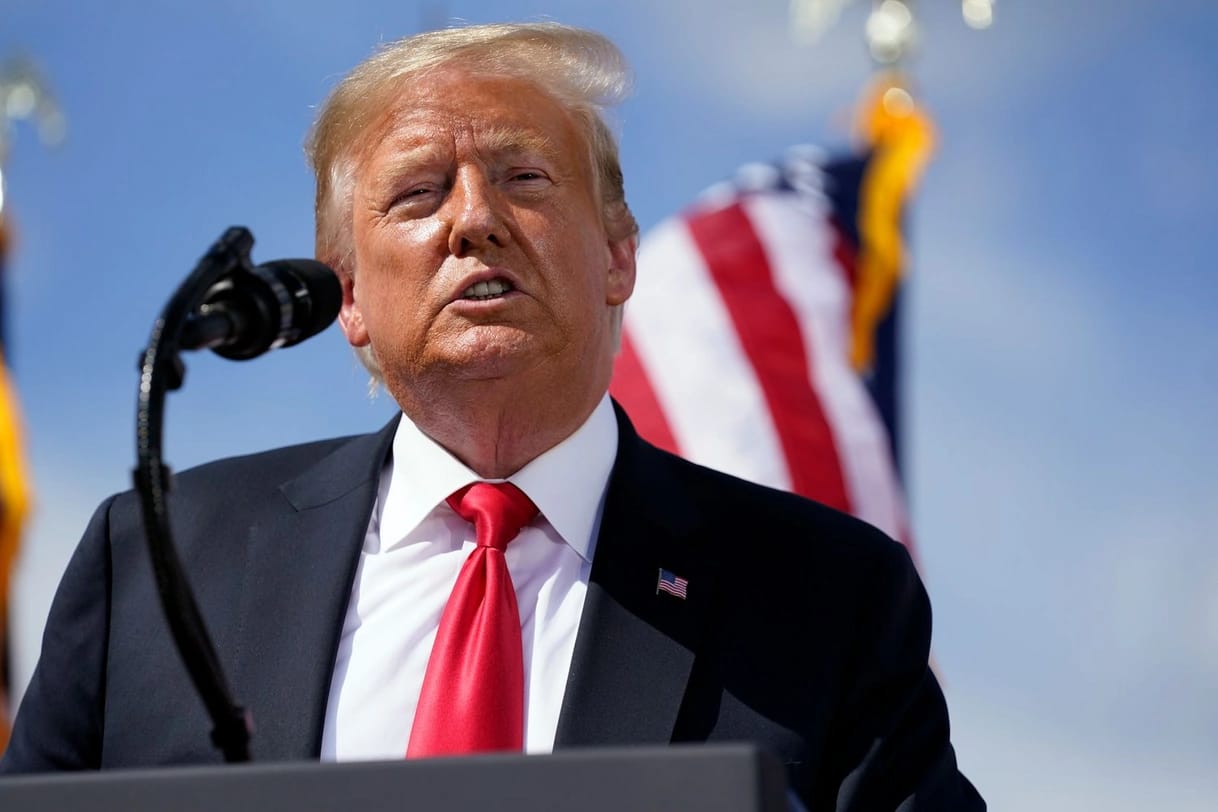
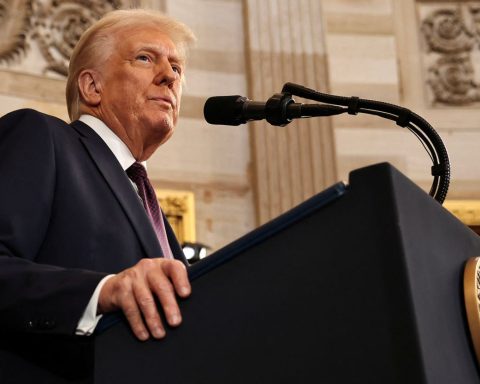
President Trump has signed an executive order declaring a national emergency over what the White House describes as an “extraordinary threat” posed by the Cuban government, authorising a process that could see the United States impose tariffs on imports from countries that supply oil to Cuba.
The order empowers U.S. authorities to levy additional duties on goods from any nation found to be directly or indirectly providing crude oil or refined petroleum products to the Caribbean island. While no tariff rates or target countries have yet been announced, officials said the measure is designed to pressure both Havana and its remaining energy partners.
In a statement accompanying the order, President Trump accused Cuba of aligning itself with states and groups hostile to U.S. interests.
Join our WhatsApp Channel“Cuba has taken extraordinary actions that harm and threaten the United States,” Trump said, alleging the Cuban government provides support to adversarial actors including Russia, China, Iran, Hamas and Hezbollah.
A Longstanding Policy Confrontation
U.S.–Cuba relations have been largely hostile since Cuba’s 1959 revolution, which brought Fidel Castro to power and aligned the country with the Soviet Union during the Cold War. In response, Washington imposed a sweeping economic embargo in 1962, cutting off most trade and financial ties, a sanctions regime that remains largely intact more than six decades later.
Although diplomatic relations were briefly thawed under former President Barack Obama in 2015, the Trump administration reversed that course during Trump’s first term, tightening sanctions, restricting travel and remittances, and reinstating Cuba’s designation as a state sponsor of terrorism.
The latest executive order builds on that hardline approach, using trade and energy leverage to deepen Cuba’s economic isolation while extending pressure to third countries that continue commercial engagement with the island.
READ ALSO : Tariff War Escalates As Canada, Mexico, China Vow Retaliation
Oil Supply as a Pressure Point
Cuba depends heavily on imported oil to run its power plants, transport system and key industries. Its energy crisis has worsened in recent years as economic challenges mounted, tourism revenues declined and support from traditional allies weakened.
With oil shipments from Venezuela now largely halted, Mexico has emerged as one of Cuba’s most significant alternative suppliers, placing it under growing scrutiny from Washington. Data from shipping and energy analysts indicate Mexican oil deliveries to Cuba have dropped sharply in recent weeks, a decline widely viewed as coinciding with rising U.S. pressure.
Mexican President Claudia Sheinbaum has described her country’s energy trade as a sovereign commercial matter, even as the prospect of U.S. tariffs raises economic and diplomatic stakes for Mexico and other potential suppliers.
Cuba Pushes Back
Havana reacted angrily to the executive order, condemning it as a “brutal act of aggression” and accusing Washington of economic blackmail. Cuban officials warned that further restrictions on fuel supplies could worsen electricity shortages and disrupt essential services already under strain.
The Cuban government has long argued that U.S. sanctions are the primary driver of its economic hardship, a claim Washington rejects, instead blaming mismanagement and political repression.
While the executive order establishes the legal framework for tariffs, the White House has yet to specify when the measures will take effect or which countries could be targeted. The Secretaries of State and Commerce are tasked with identifying oil-supplying nations and developing enforcement mechanisms.
Analysts say the move could further strain U.S. relations with regional partners while intensifying pressure on Cuba’s fragile economy, potentially reshaping energy and trade dynamics across the Americas.

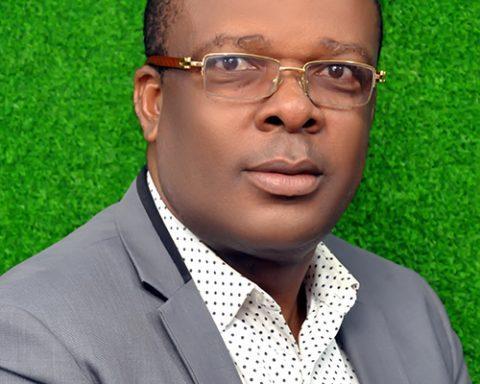
Amanze Chinonye is a Staff Correspondent at Prime Business Africa, a rising star in the literary world, weaving captivating stories that transport readers to the vibrant landscapes of Nigeria and the rest of Africa. With a unique voice that blends with the newspaper's tradition and style, Chinonye's writing is a masterful exploration of the human condition, delving into themes of identity, culture, and social justice. Through her words, Chinonye paints vivid portraits of everyday African life, from the bustling markets of Nigeria's Lagos to the quiet villages of South Africa's countryside . With a keen eye for detail and a deep understanding of the complexities of Nigerian society, Chinonye's writing is both a testament to the country's rich cultural heritage and a powerful call to action for a brighter future. As a writer, Chinonye is a true storyteller, using her dexterity to educate, inspire, and uplift readers around the world.