 Prosper Okoye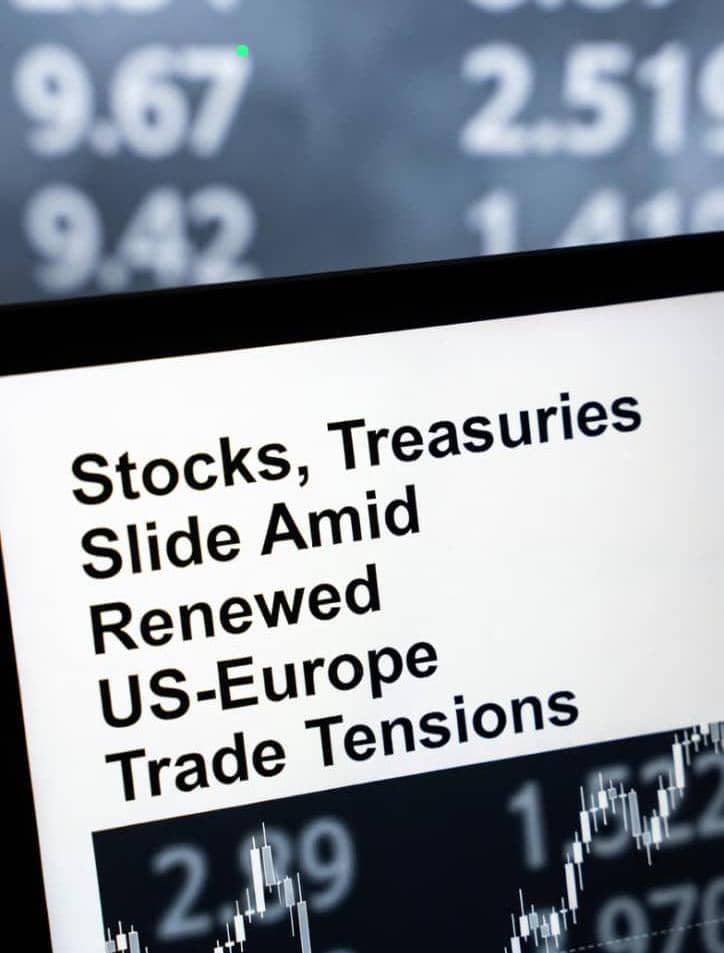
Global markets saw sharp declines on Tuesday as tensions between the United States and Europe escalated over trade.
“We have certainly seen a meaningful reaction in the risk metrics since Friday; it’s a very significant shift,” said Jim Carroll, senior wealth adviser at Ballast Rock Private Wealth in Charleston, South Carolina.
He added that while the move was notable, it did not indicate extreme panic.
The S&P 500 Index dropped 1.1 per cent to 6,859 points, while long-dated US Treasuries and the dollar also weakened.
Analysts attributed the decline to renewed threats from President Donald Trump to impose tariffs on European imports, sparking fears of a repeat of last year’s “Sell America” trade reaction.
The Cboe Volatility Index (VIX), a key measure of market anxiety, rose 1.9 points to an eight-week high of 20.69, signalling increased investor caution.
“It’s a standard reaction to geopolitical turmoil: take equity risk off the table, buy gold, buy cash. And that’s kind of what we’re seeing,” said Alex Morris, CEO of F/m Investments.
In currency markets, the US dollar fell 0.6 per cent against a basket of peers, reaching a more than two-week low, even as euro volatility spiked. Michael Brown, a market analyst at online broker Pepperstone in London, warned that markets could remain volatile if progress on resolving tariff threats remains limited.
NGX ASI Expands By 0.13%, Lifting Stock Market Cap By N137.34bn
NCC Blocks 40% Tariff Hike In Telecom Services, Says No Approval
Greenlandic Politician Rejects Trump’s Proposal, Emphasizes Values Over Cash
The sudden shifts reversed earlier gains seen this week, reflecting heightened market uncertainty as investors reassess risk exposure amid international trade tensions.

Prosper Okoye is a Correspondent and Research Writer at Prime Business Africa, a Nigerian journalist with experience in development reporting, public affairs, and policy-focused storytelling across Africa