Prime Business Africa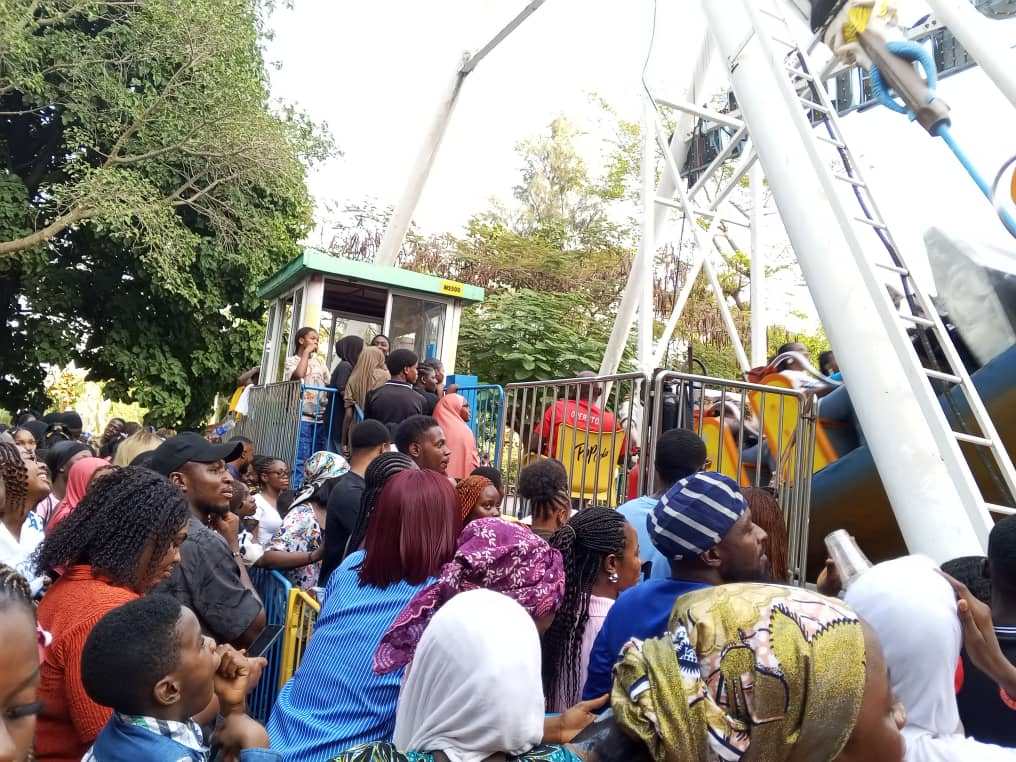
By Prosper Okoye
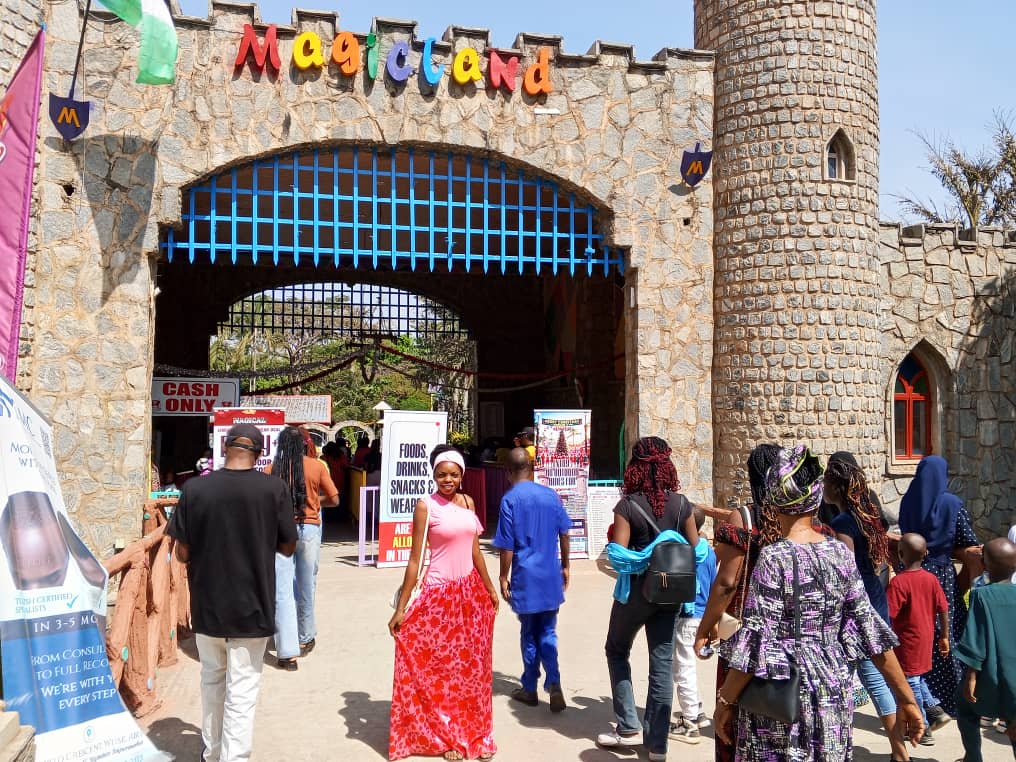
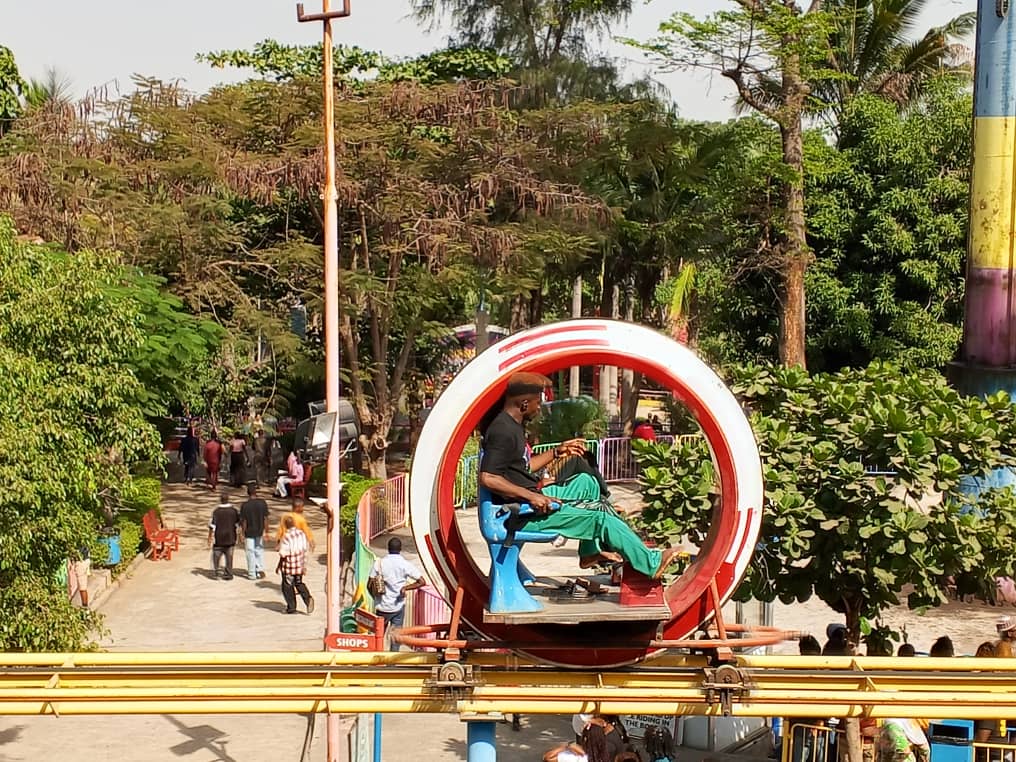
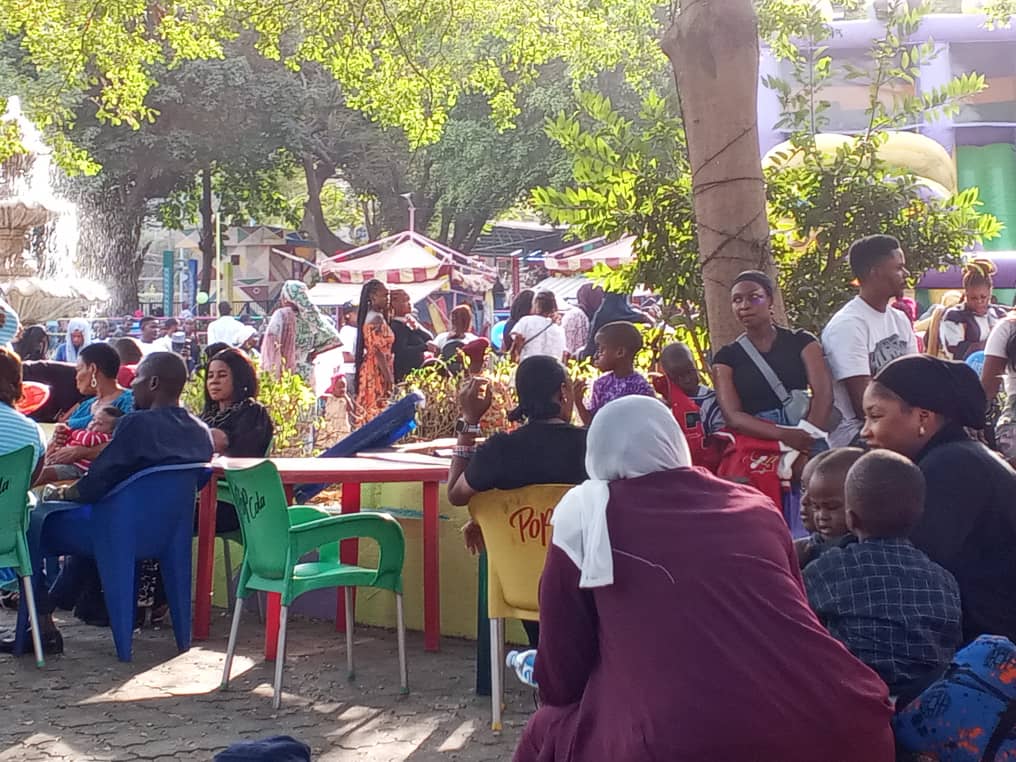
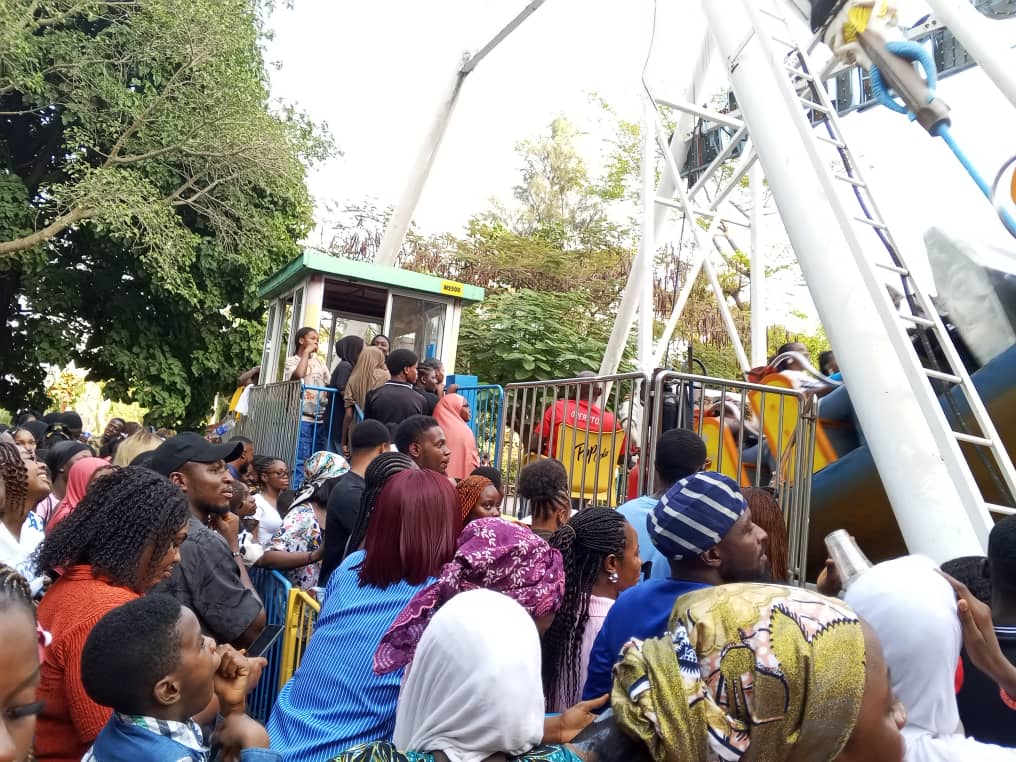
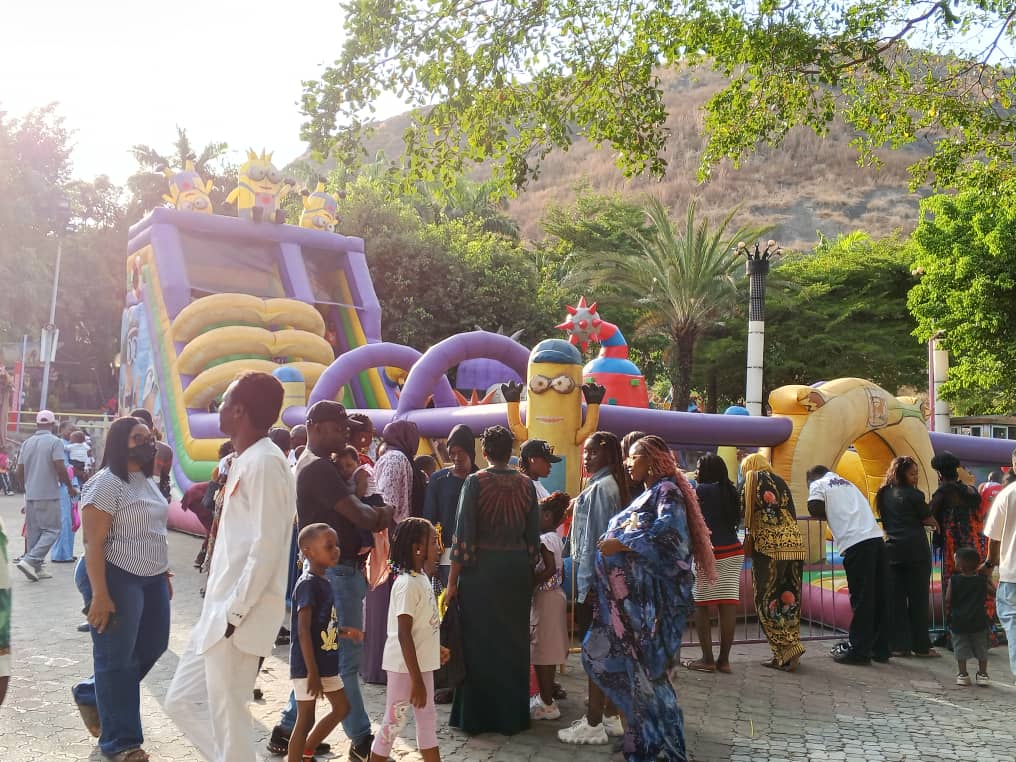
Despite a year marked by insecurity, rising prices, and policy uncertainty, Nigerians welcomed 2026 with vigour. Crowded streets, bustling amusement parks, packed restaurants and clubs, and full motor parks highlighted a country determined to celebrate, even against the odds.
Economic pressures have made travel more expensive. After the government removed petrol subsidies, fares for buses, taxis, and flights rose sharply, in some cases nearly doubling. Yet families still travelled in large numbers for the New Year holiday, leading to congestion at bus and motor parks across major cities. Many also used the occasion to hold weddings and collect chieftaincy titles, underscoring the day’s significance beyond the holiday itself.
In Nigeria, the New Year often begins with Cross-Over services, which start late on 31st December and continue past midnight into 1st January. Churches across the country were packed with worshippers, many of whom had not attended services throughout the year.
Muslims typically do not join these religious observances, as their calendar differs, but the mood of celebration spilled into shared meals, parties, and public spaces across towns and cities. The festivities offered communities a rare chance to reconnect, reflect, and share joy despite the year’s challenges.
Family, Faith and Fun
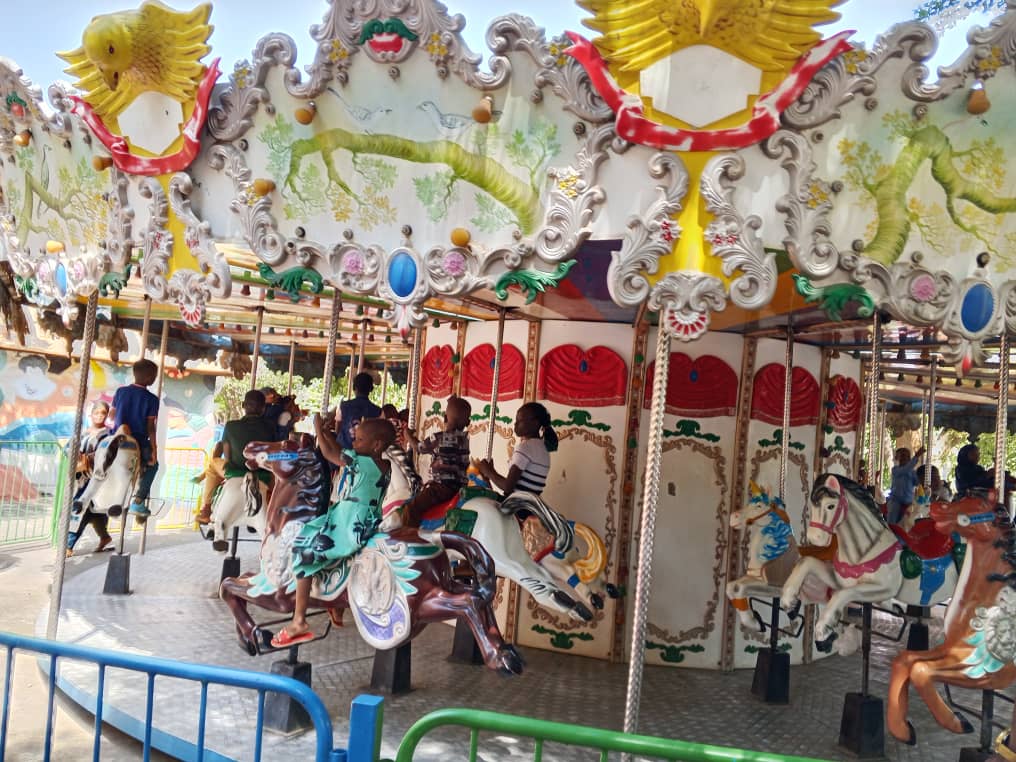
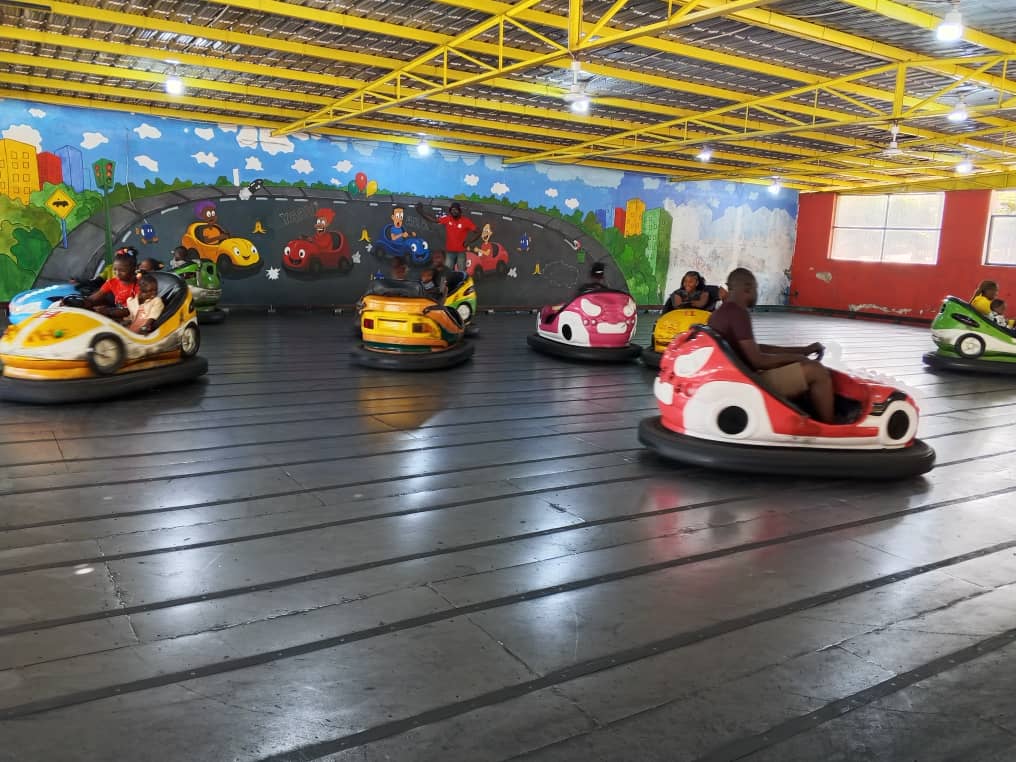
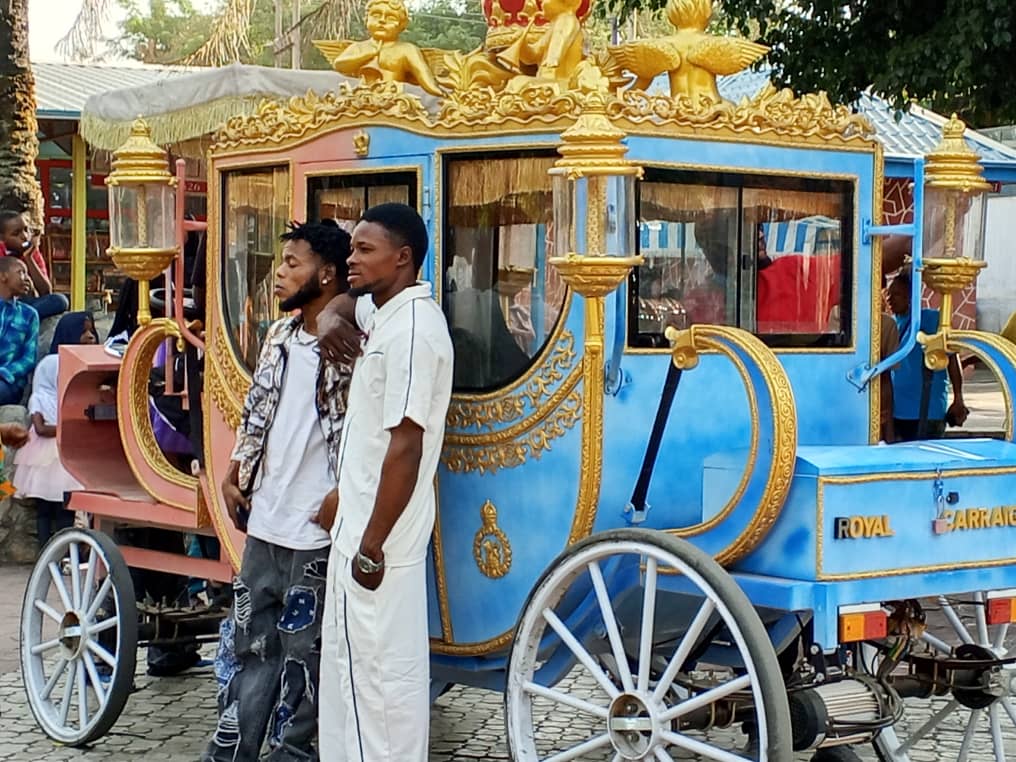
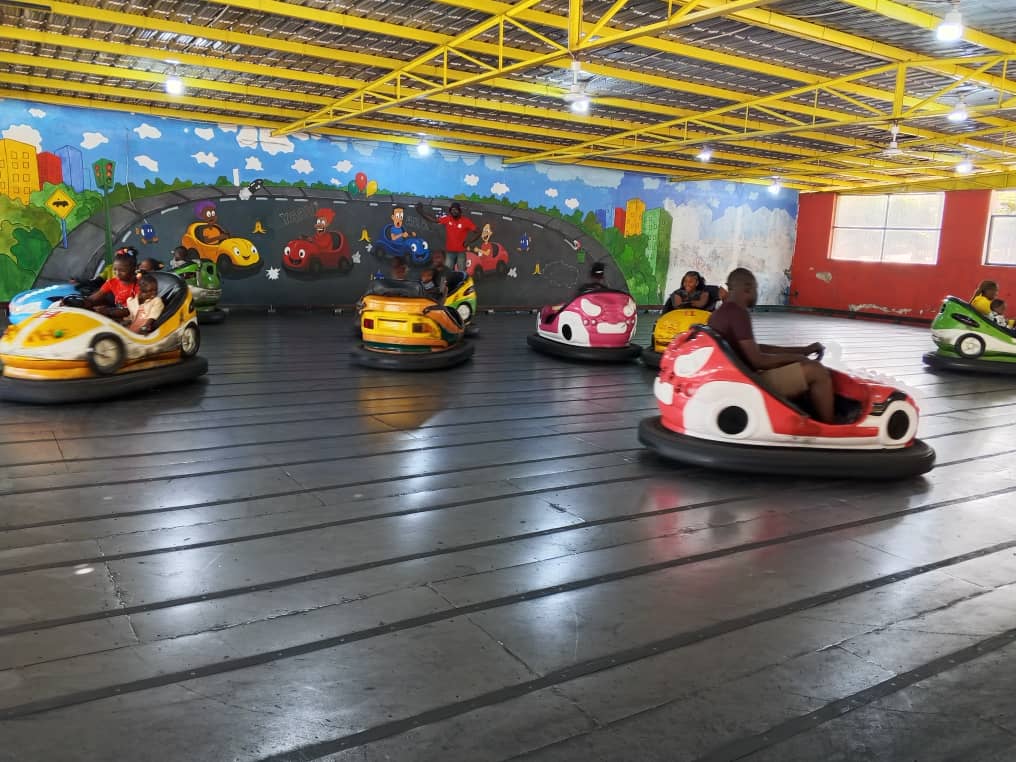
Bolaji Ugumbiyi, a father of three, spent the morning at a local amusement park. “I brought my kids here. They are inside having fun, and I just wanted to relax and watch them,” he said.
He described the rides he planned to try: “I climbed the train, the canoe paddle, and the hydro spring. I intend to try the water splash later around 4 o’clock. The crowds are big, so I let the kids go first.”
Reflecting on his day, Bolaji added: “I prayed in the morning, then went to the office briefly. It wasn’t official — just a quick visit — and then I brought the family here. After this, we plan to visit friends for the New Year.”
READ ALSO: Why Reading More Should Be on Your New Year’s Resolution List
On his goals for 2026, he explained: “I want to be closer to God, focus on my family, and set achievable standards. Some goals from last year were achieved, others are still a work in progress, and I intend to continue pursuing them this year. Financial goals are part of it — being productive in whatever I do is the way to achieve them.”
Work, Economy and Government
Bolaji reflected on the challenges of the past year: “This year was difficult because a lot of capital projects were not released. Many of our clients had little work, which affected our services in financial advice, audits, and tax consultation. But we are surviving, and we thank God.”
He also spoke about the new tax reforms that took effect in 2026. “There is controversy over whether the law passed by the National Assembly matches what was signed by the President. But if implemented properly, these reforms could benefit ordinary Nigerians. Personal income tax exemptions are higher now, and small companies making less than 100 million naira are not liable. Even profits from stocks below 50 million naira are exempt. It’s a positive step, but many focus too much on complaints instead of the benefits.”
On government subsidies and public spending, he said: “Subsidies were removed, but the savings are shared among the three tiers of government. If state governments used these resources for public transport or infrastructure, people would complain less. The system is frustrating, but with perseverance and sacrifice, I am hopeful we will see results.”
Reflecting on the year overall, Bolaji said: “The system has its challenges. Forest trading and other opportunities used to be exploited, but now some of those gaps have been closed. The reforms are making a difference, slowly. Despite all this, today we celebrate. Life goes on, and the New Year is a chance to reset, be with family, and look forward.”
Other Voices from the Park
Jennifer Odoh, a young mother also at the park, said: “It was nice. It was fun. It took me back to being a child, so it was really enjoyable. My New Year’s resolution is something personal I’m keeping to myself. I’m expecting the year to be great and fulfilling. I haven’t thought much about government policies or taxes, so I’m just hoping for the best.”
Sampson Positive, another visitor, reflected: “It’s a glorious New Year and we are out here just as usual. No matter the hardship, no matter how tough the economy is, we need to bring the family out to give thanks. 2025 had its challenges, but God saw us through, and here we are to celebrate another brand-new year. We’re looking forward to a better year.”
On goals and responsibility, he added: “People often set goals beyond what they can achieve, which brings anxiety. I plan gradually, one step at a time.
Government policies may favour some and not others, but within my means, I planned ahead and it was okay. There’s no reason for regret. The New Year is about giving glory to God, spending time with family, and hoping for a better Nigeria. It’s not only about the government — we the people make the government what it is. If we take responsibility and do our part, things will improve. When we do the right thing, we achieve the best results. That is what I’m looking forward to this year.”