 Amanze Chinonye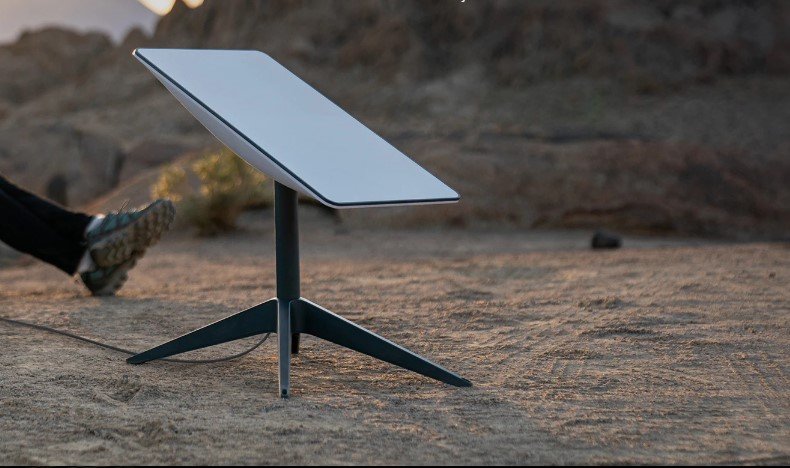
Uganda has imposed fresh restrictions on the importation of Starlink satellite internet equipment just weeks before its January 15 presidential and parliamentary elections, raising concerns among opposition figures and digital rights advocates that the government may again shut down internet access during the polls.
The restrictions were disclosed in an internal memorandum issued by the Uganda Revenue Authority (URA) on December 19 and later confirmed as authentic by the agency. The memo directs customs officials to halt the clearance of “Starlink technology gadgets, communication equipment and associated components” unless importers obtain written authorisation from the Chief of Defence Forces.
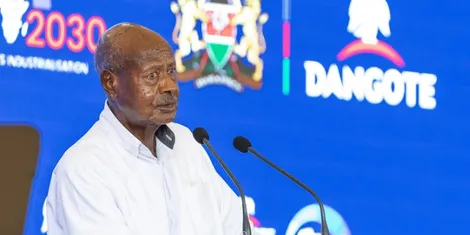
The military chief, General Muhoozi Kainerugaba, is the son of President Yoweri Museveni, who has ruled the East African nation for nearly four decades and is seeking to extend his tenure in the upcoming election. The directive takes immediate effect.
Join our WhatsApp ChannelREAD ALSO : Tanzania Partially Restores Internet amid Outcry over Killings, Crackdown on Post-Election Protests
Cloudflare Meltdown Sends Shockwaves Across the Internet, Revealing Systemic Fragility
President Museveni, 81, is contesting the election against opposition leader Bobi Wine, 43, whose real name is Robert Kyagulanyi, in a rematch of the 2021 presidential race. During that election, the government imposed a nationwide internet blackout that lasted several days, a move officials said was intended to curb disinformation but which critics described as voter suppression and an attack on electoral transparency.
The new restrictions have heightened fears of a repeat scenario, particularly because Starlink’s satellite-based internet service is more difficult for authorities to shut down than conventional, land-based networks.
Reacting to the development, Wine described the move as “ridiculous,” questioning the government’s motives. “If they’re not planning electoral fraud, why are they so scared of people accessing the internet during the electoral process?” he wrote on the social media platform X.
Starlink, owned by Elon Musk’s SpaceX, does not yet have an operating licence in Uganda, although many Ugandans have independently imported and used the service. The satellite internet provider has gained popularity in parts of the country due to slow speeds, high costs and limited reach of existing local internet services, particularly in rural areas.
Government officials have defended the import restrictions on regulatory grounds. Ibrahim Bbosa, spokesperson for the Uganda Communications Commission (UCC), said satellite dishes fall under regulated communications equipment and require mandatory “type approval” before importation or use. He added that unapproved devices could pose safety and interference risks, and that authorities are working with security agencies to address illegal imports.
Nevertheless, critics argue that placing approval authority for a key communications technology directly under the control of the military led by the president’s son raises conflict-of-interest concerns and casts doubt on the government’s intentions ahead of the polls.
Museveni, a former rebel leader, has been credited by supporters with stabilising Uganda and driving economic growth, but his government has also faced longstanding accusations of suppressing political opponents, human rights abuses and corruption. Constitutional amendments removing presidential age and term limits have allowed him to remain in power beyond previously established limits.
As campaigning enters its final weeks, opposition groups and civil society organisations say the Starlink restrictions add to growing concerns about the integrity of the electoral process and the likelihood of free access to information during vote counting and result transmission.

Amanze Chinonye is a Staff Correspondent at Prime Business Africa, a rising star in the literary world, weaving captivating stories that transport readers to the vibrant landscapes of Nigeria and the rest of Africa. With a unique voice that blends with the newspaper's tradition and style, Chinonye's writing is a masterful exploration of the human condition, delving into themes of identity, culture, and social justice. Through her words, Chinonye paints vivid portraits of everyday African life, from the bustling markets of Nigeria's Lagos to the quiet villages of South Africa's countryside . With a keen eye for detail and a deep understanding of the complexities of Nigerian society, Chinonye's writing is both a testament to the country's rich cultural heritage and a powerful call to action for a brighter future. As a writer, Chinonye is a true storyteller, using her dexterity to educate, inspire, and uplift readers around the world.