 Amanze Chinonye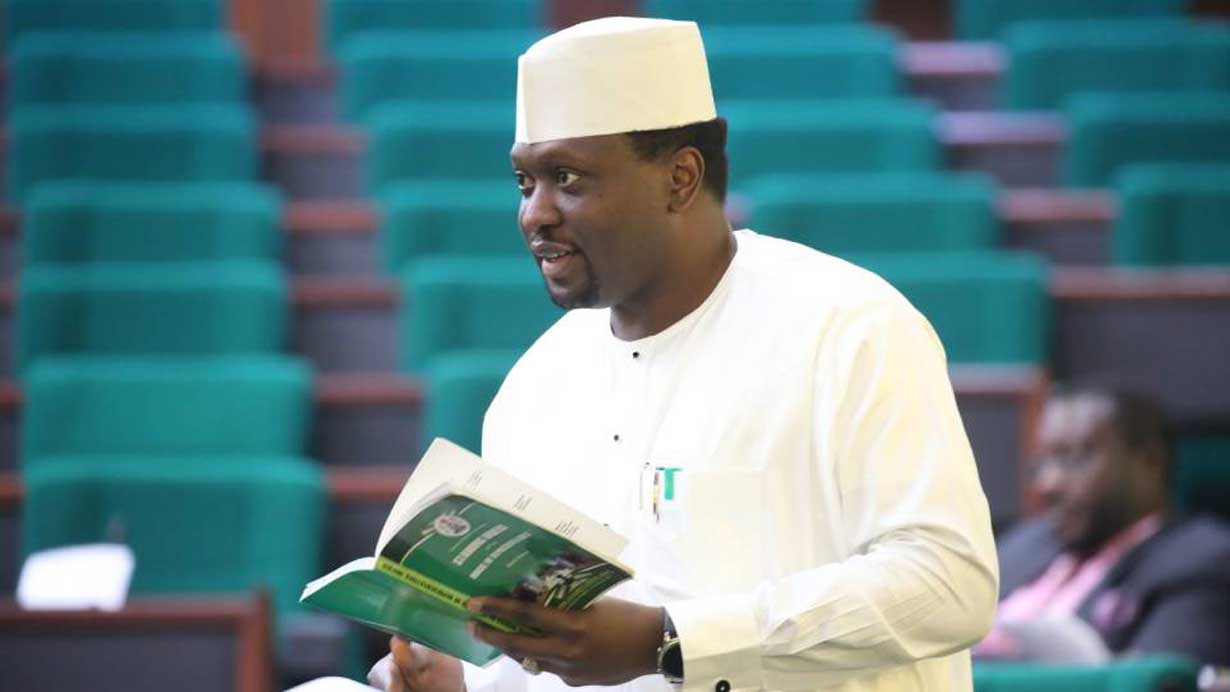
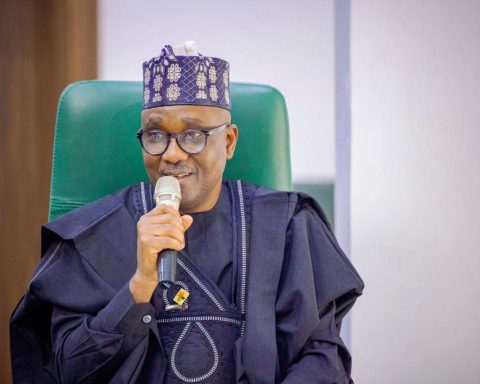
A member of the House of Representatives, Hon. Abdulsammad Dasuki (PDP, Sokoto), has raised serious concerns that the tax reform laws gazetted for public use differ from the versions passed by the National Assembly, calling for urgent legislative scrutiny.
Speaking during Wednesday’s plenary under a Point of Privilege (Order Six, Rule Two of House Rules), Dasuki said the discrepancy represents a breach of his legislative rights and undermines the Constitution.
According to Dasuki, after the passage of the tax bills, he spent three days reviewing the gazetted copies alongside the Votes and Proceedings of the House and the harmonised versions adopted by both chambers of the National Assembly, identifying significant differences.
Join our WhatsApp Channel“I was here, I gave my vote and it was counted, and I am seeing something completely different,” the lawmaker said, noting that copies obtained from the Federal Ministry of Information do not match the approved texts.
READ ALSO : National Assembly Proposes November 2026 for 2027 General Elections
National Assembly Inserted 11,122 Projects Worth N6.93trn In 2025 Budget – BudgIT
Dasuki emphasised that his intervention was not intended to move a motion, but to alert the House to what he described as a serious procedural breach. He urged Speaker Tajudeen Abbas to ensure that the harmonised versions, Votes and Proceedings, and gazetted copies are all presented to the Committee of the Whole for comparison.
“Mr Speaker, all members must see what is in the gazetted copy and compare it with what they passed on the floor, so necessary corrections can be made. This is a breach of the Constitution and our laws,” Dasuki said.
Speaker Abbas acknowledged Dasuki’s concern and assured that appropriate action would be taken to address the matter.
The controversy comes months after President Tinubu signed four tax reform bills into law on 26 June 2025. These include the Nigeria Tax Act (NTA), Nigeria Tax Administration Act (NTAA), Nigeria Revenue Service Act (NRSA), and Joint Revenue Board Act (JRBA).
The Acts aim to overhaul Nigeria’s tax system, improve revenue generation, strengthen tax administration, and create a more business-friendly environment. Notably, the Value Added Tax (VAT) remains at 7.5 per cent, while essential items such as food, education, healthcare, public transport, residential rent, and exports are zero-rated.
Revenue allocation under the new laws has also been restructured, with 30 per cent of VAT proceeds distributed based on consumption, 50 per cent shared equally among states, and 20 per cent allocated according to population.
As the implementation of the new tax laws approaches, Dasuki’s allegations have raised questions about the authenticity of the gazetted documents and the need for accurate legal representation to safeguard legislative integrity.
Prime Business Africa reports that lawmakers are expected to take further action to verify the discrepancies, ensuring that the laws enforced across the country truly reflect the versions approved by the National Assembly.

Amanze Chinonye is a Staff Correspondent at Prime Business Africa, a rising star in the literary world, weaving captivating stories that transport readers to the vibrant landscapes of Nigeria and the rest of Africa. With a unique voice that blends with the newspaper's tradition and style, Chinonye's writing is a masterful exploration of the human condition, delving into themes of identity, culture, and social justice. Through her words, Chinonye paints vivid portraits of everyday African life, from the bustling markets of Nigeria's Lagos to the quiet villages of South Africa's countryside . With a keen eye for detail and a deep understanding of the complexities of Nigerian society, Chinonye's writing is both a testament to the country's rich cultural heritage and a powerful call to action for a brighter future. As a writer, Chinonye is a true storyteller, using her dexterity to educate, inspire, and uplift readers around the world.