 Amanze Chinonye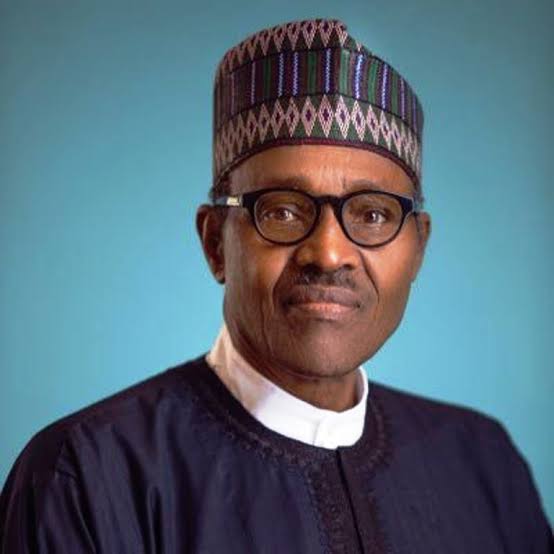
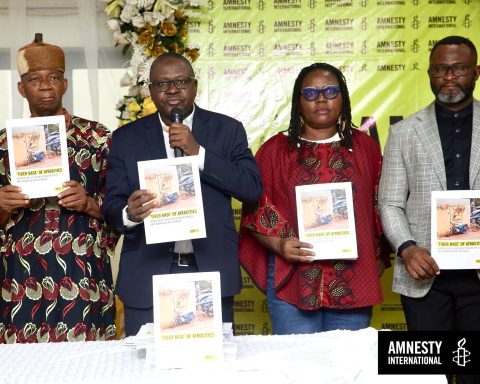
Amnesty International on Monday released a list of alleged gross human rights violations committed in Nigeria during the administration of former President Muhammadu Buhari, who was in office from 2015 to 2023, Prime Business Africa reports.
In the compilation, the global human rights organisation accused Nigerian security forces of involvement in mass killings, extrajudicial executions, suppression of protests, attacks on journalists and sexual abuse of women displaced by conflict, while also faulting the government for a failure to ensure accountability.
According to Amnesty International, more than 350 men, women and children were killed by the Nigerian military in Zaria, Kaduna State, between December 12 and 14, 2015, during a crackdown on members of the Islamic Movement in Nigeria (IMN).
Join our WhatsApp ChannelREAD ALSO : Amnesty International Condemns Escalating Violence, Urges Tinubu Government to Act
Between Buhari and Tinubu, who is a better President?
The organisation further alleged that Nigerian security forces carried out a “chilling campaign” of extrajudicial executions and violence against pro-Biafra activists, leading to the deaths of at least 150 peaceful protesters between August 2015 and August 2016.
Amnesty International claimed that the deadliest incident involving pro-Biafra activists occurred on May 30, 2016, Biafra Remembrance Day, when an estimated 1,000 members and supporters of the Indigenous People of Biafra (IPOB) gathered for a rally in Onitsha, Anambra State. It alleged that security forces raided homes and a church where activists were staying on the eve of the event, resulting in mass killings, with some victims reportedly burnt alive.
The rights group also accused the Buhari administration of failing to bring perpetrators of violence to justice, a lapse it said contributed to the escalation of farmer–herder clashes across the country. Amnesty International reported that at least 3,641 people were killed in such conflicts within three years, with over 57 per cent of the deaths recorded in 2018 alone.
On press freedom, Amnesty International said journalists and media practitioners faced arrests, intimidation and harassment under Buhari’s watch. It claimed that at least 19 journalists were attacked, arrested, tortured or threatened between January and September 2019, forcing at least three into hiding. Media organisations including Daily Trust and Premium Times were also raided by security operatives during the period, the group alleged.
The organisation further cited the violent suppression of the nationwide #EndSARS protests in October 2020, which were organised to demand the disbandment of the now-defunct Special Anti-Robbery Squad (SARS). Amnesty International reported that at least 56 people were killed across the country, including at least 12 protesters at the Lekki Toll Gate and Alausa in Lagos on October 20, 2020.
Additionally, Amnesty International accused Nigerian security forces and members of the Civilian Joint Task Force (CJTF) of sexually abusing thousands of women and girls who survived Boko Haram captivity. The group alleged that some victims were raped, sometimes in exchange for food, despite claims by the perpetrators that they were rescuing the survivors.
Amnesty International said the allegations highlight what it described as a pattern of serious human rights abuses and persistent impunity during the eight-year Buhari administration.

Amanze Chinonye is a Staff Correspondent at Prime Business Africa, a rising star in the literary world, weaving captivating stories that transport readers to the vibrant landscapes of Nigeria and the rest of Africa. With a unique voice that blends with the newspaper's tradition and style, Chinonye's writing is a masterful exploration of the human condition, delving into themes of identity, culture, and social justice. Through her words, Chinonye paints vivid portraits of everyday African life, from the bustling markets of Nigeria's Lagos to the quiet villages of South Africa's countryside . With a keen eye for detail and a deep understanding of the complexities of Nigerian society, Chinonye's writing is both a testament to the country's rich cultural heritage and a powerful call to action for a brighter future. As a writer, Chinonye is a true storyteller, using her dexterity to educate, inspire, and uplift readers around the world.