Prime Business Africa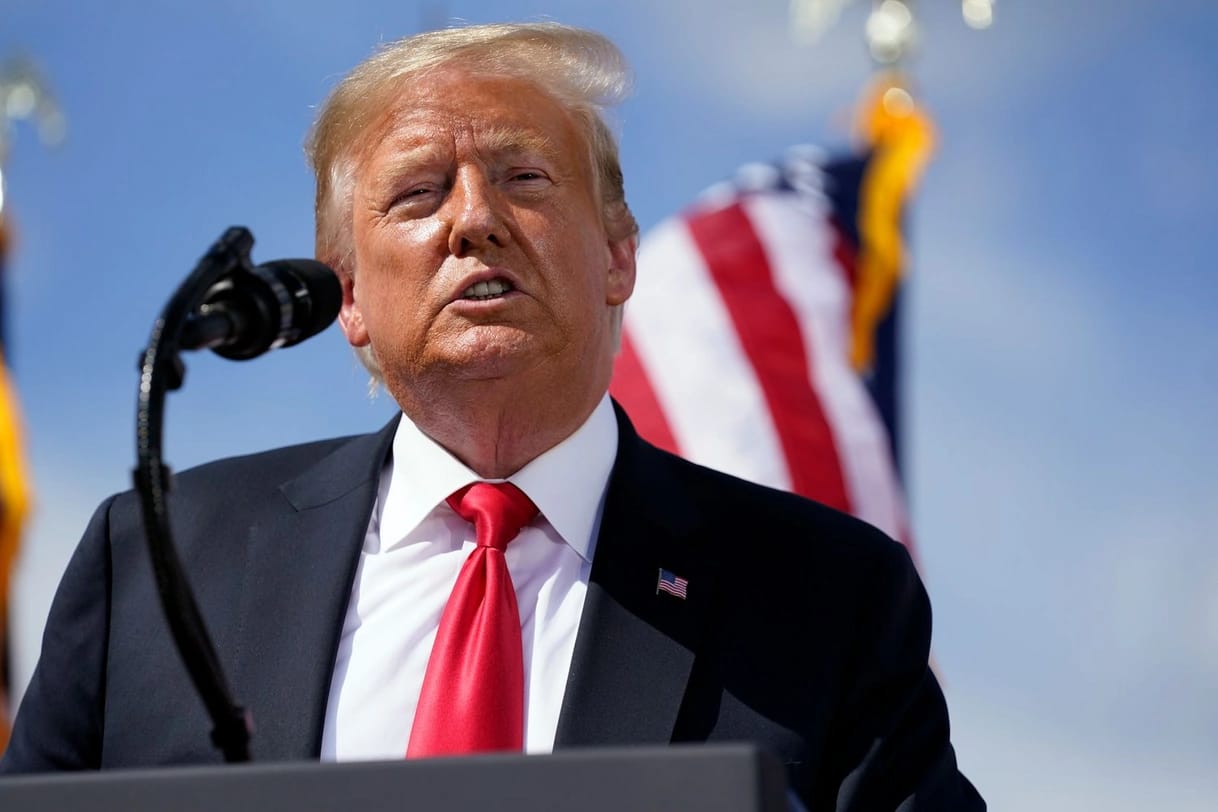
The US government has shut down after senators failed to reach a funding deal, marking the first closure since 2018.
Services are suspended, hundreds of thousands of federal employees are without pay, and President Donald Trump has threatened mass, irreversible layoffs.
Join our WhatsApp Channel
While surface-level calm suggests markets are shrugging this off, global financial advisory giant deVere Group warns that investors are already moving decisively across sectors, hedging risk and seeking opportunity.
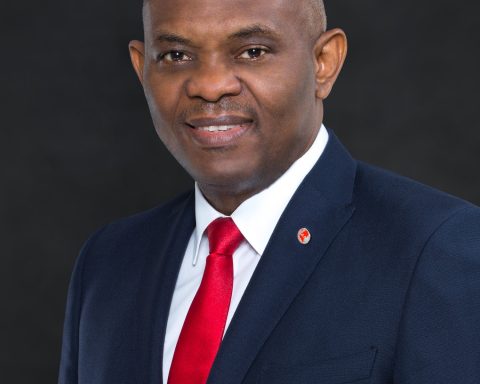
Nigel Green, CEO of deVere Group says: “This shutdown immediately impacts investor behavior.
READ ALSO: US Government Shutdown: A Partisan Standoff with Far-Reaching Consequences
“Markets may look steady, but capital is rotating at speed. Defense, services, airlines, cyclical stocks and defensive havens are all being reassessed. Investors are not waiting for clarity; they’re acting now.”
Defense has been the market’s powerhouse, lifted by surging federal demand for advanced weapons systems and missile defense. This structural support remains, but sentiment risk has returned.
“Defense is resilient, but no sector is immune to politics,” Nigel Green continues. “Any dip here is not weakness, it is a tactical buying opportunity. Long-term demand is entrenched, and sophisticated investors are preparing to step in during volatility.”
Government services face a harsher reality. When Washington stalls, revenues for consulting, IT and security providers slow almost immediately.
“Investors know government service providers are always the first casualties of a shutdown,” says Nigel Green.
“This is where caution is required, because cash flows dry up the fastest. Until there’s certainty, money is moving out of this space.”
Airlines are also in the firing line. The loss of government-funded travel is compounded by the likelihood of unpaid federal employees reducing leisure spending.
Nigel Green says: “Airlines are being squeezed from both ends. Business demand is frozen while consumer demand weakens. We expect further downside before recovery opportunities appear. This is why investors are trimming exposure now.”
Cyclical sectors – industrials, financials and consumer-linked stocks – carry the heaviest macroeconomic risk. More than 600,000 furloughed workers mean higher unemployment, and Trump’s threat of permanent layoffs intensifies the pressure.
“Cyclicals are now the barometer of how long this shutdown lasts,” HE notes.
“A brief closure will see capital rotate back quickly. A protracted one, with job losses and slower growth, will force investors to cut exposure to these sectors. At deVere we are already positioning clients towards defensive allocations such as healthcare, utilities and treasuries.”
The global response is telling. Asian and European markets are showing mixed signals. Gold has surged to a record above $3,870 an ounce, and the US dollar is weaker, signalling a loss of some safe-haven status.
“Markets outside the US are not dismissing this as a temporary blip,” says Nigel Green. “The surge in gold and demand for treasuries show global investors are hedging against deeper disruption. These moves are evidence of prudent positioning.”
The shutdown also raises the risk of a data blackout. With payrolls and inflation reports delayed, markets will be deprived of vital guidance on jobs, growth and rates.
“Investors can adapt to good news or bad news, but they cannot adapt to no news,” Nigel Green stresses.
“When data disappears, sentiment takes over, and that amplifies volatility. We are advising clients to be ready to act quickly when exaggerated moves create tactical openings.”
Previous shutdowns have not derailed equities, but this time the backdrop is more fragile. Interest rate uncertainty, consumer weakness and stretched valuations make the market more vulnerable.
Nigel Green concludes: “This shutdown comes at a delicate moment for global markets.
“Defense remains strong, but sentiment will wobble. Government services and airlines face direct hits. Cyclicals are at risk if unemployment rises. Defensive stocks, gold and treasuries are the clear beneficiaries.
“Investors will be acting with speed, allocate with discipline, and use the volatility to your advantage. The winners will be those who move decisively while others hesitate.”