 Amanze Chinonye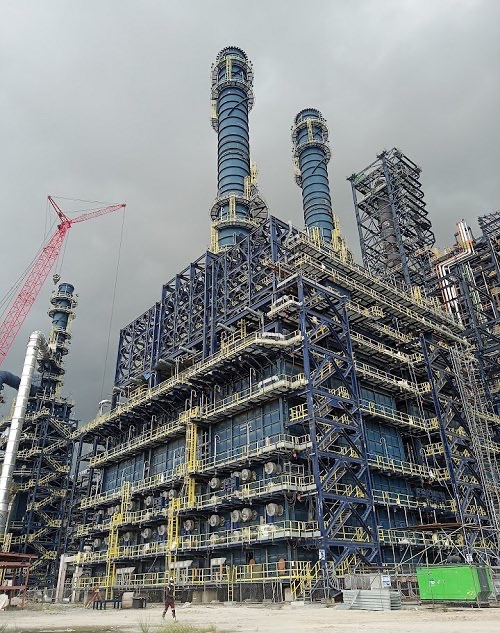
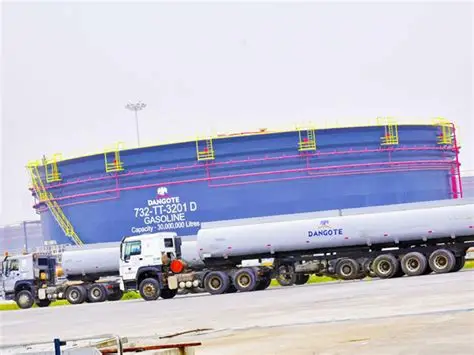
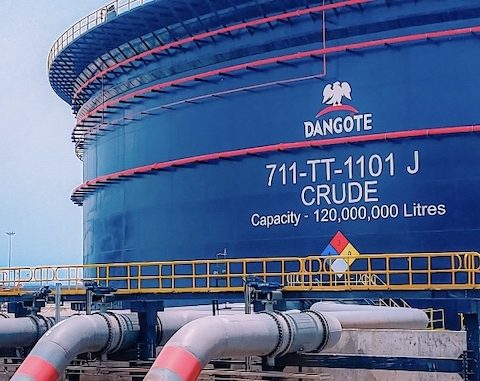
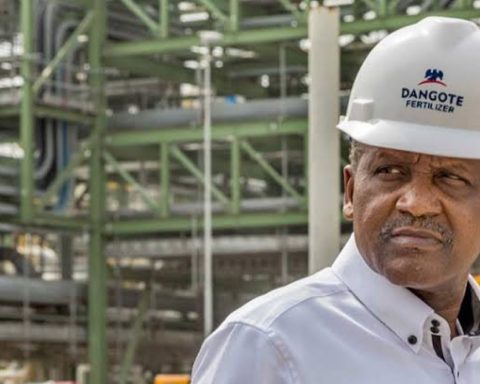
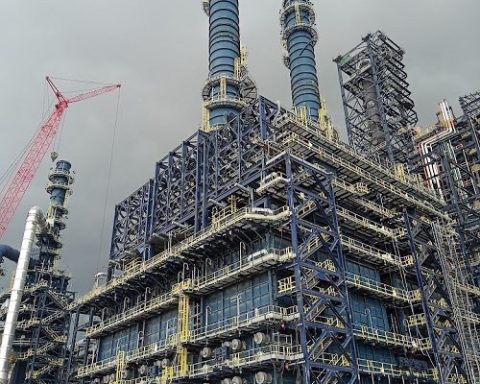
The dispute between Dangote Petroleum Refinery and the Depot and Petroleum Products Marketers Association of Nigeria (DAPPMAN) deepened on Thursday as the refinery issued a strongly-worded statement accusing marketers of waging an “economic sabotage” campaign to derail Nigeria’s drive for energy self-sufficiency.
In its latest release Dangote alleged that certain actors within the oil and gas sector are deliberately undermining the refinery’s operations, including its planned rollout of Compressed Natural Gas (CNG)-powered trucks for fuel distribution.
The company said the marketers’ recent public statements and resistance to lifting products directly from its gantry are part of a wider effort to frustrate its operations and preserve entrenched market interests.
Join our WhatsApp ChannelN1.5 Trillion ‘Subsidy’ Dispute
Dangote maintained its earlier claim that DAPPMAN members are effectively demanding an annual subsidy of about ₦1.505 trillion to align their depot prices with the refinery’s gantry rates.
“Based on daily consumption volumes of 40 million litres of Premium Motor Spirit (PMS) and 15 million litres of Automotive Gas Oil (AGO), this amounts to an additional annual cost of ₦1.505 trillion, which they effectively asked the refinery to absorb or pass on to Nigerians,” the company said.
According to the refinery, marketers seek a ₦70 per litre discount for coastal freight, statutory agency charges and other logistics, plus ₦5 per litre for pumping into vessels to transport products from the refinery to depots in Lagos. Dangote said it would neither increase its gantry price nor pay any hidden subsidy, instead inviting marketers to lift products directly at source under its “logistics-free initiative.”
The company also disclosed that between June and September it exported 3,229,881 metric tonnes of PMS, AGO and aviation fuel, while marketers imported 3,687,828 metric tonnes over the same period an act it described as “dumping” that undermines the domestic economy.
READ ALSO: Dangote Deploys 4,000 CNG Trucks, Promises 24,000 Jobs Nationwide
Analyst Accuses NUPENG of Economic Sabotage Over Dangote Refinery Dispute
Quality and Pricing Allegations
Dangote’s new statement broadened its attack, citing a 2022 Nigerian National Petroleum Company (NNPC) report which found that one DAPPMAN member supplied petrol containing 15% methanol, beyond acceptable limits and allegedly responsible for widespread engine damage.
The refinery further challenged claims that petrol is cheaper in neighbouring Togo, noting that the average pump price in Lomé is about **680 CFA francs per litre roughly ₦1,826 higher than Nigerian rates.
It also accused some marketers of “round-tripping,” alleging that petrol produced by Dangote is being exported to Togo and re-imported into Nigeria at a markup, and called for a forensic audit of import and consumption figures to end “inflated subsidy claims.”
Marketers Push Back
DAPPMAN has consistently denied demanding any subsidy and last week gave Dangote a seven-day ultimatum to provide evidence of alleged product diversion to neighbouring countries or retract its claims. The association insists that freight and handling charges are normal cost factors and not covert subsidy requests.
Regulatory Spotlight
The Nigerian Midstream and Downstream Petroleum Regulatory Authority (NMDPRA) and other government agencies are expected to examine consumption data, freight charges and distribution practices as the row threatens to unsettle fuel supply and pricing.
For Nigerians already grappling with inflation and high transport fares, the stakes are high: if marketers bear full coastal logistics costs, pump prices could climb; if Dangote yields, analysts warn it would amount to a back-door return of subsidies the government is trying to eliminate.

Amanze Chinonye is a Staff Correspondent at Prime Business Africa, a rising star in the literary world, weaving captivating stories that transport readers to the vibrant landscapes of Nigeria and the rest of Africa. With a unique voice that blends with the newspaper's tradition and style, Chinonye's writing is a masterful exploration of the human condition, delving into themes of identity, culture, and social justice. Through her words, Chinonye paints vivid portraits of everyday African life, from the bustling markets of Nigeria's Lagos to the quiet villages of South Africa's countryside . With a keen eye for detail and a deep understanding of the complexities of Nigerian society, Chinonye's writing is both a testament to the country's rich cultural heritage and a powerful call to action for a brighter future. As a writer, Chinonye is a true storyteller, using her dexterity to educate, inspire, and uplift readers around the world.