 Victor Ezeja
The proposed imposition of sanctions on Nigeria by the United States over religious killings has raised concerns about the implications on bilateral relations.
The ongoing discussions on the matter signal a shift in how the U.S. views Nigeria’s handling of insecurity, particularly the killing of people of a certain religious group, other forms of violence, and human rights issues.
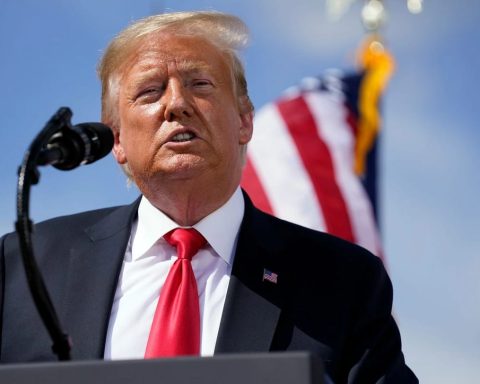
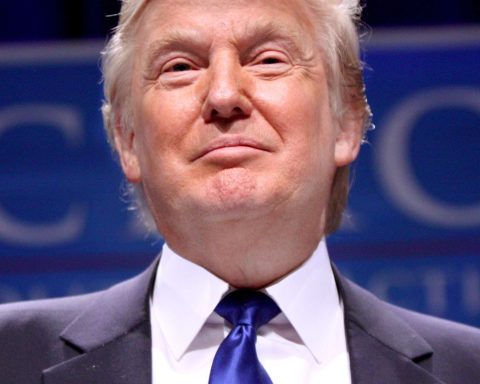
Join our WhatsApp ChannelThe U.S. House Foreign Affairs Subcommittee on Africa on Wednesday gave President Donald Trump approval to impose harsh sanctions on Nigeria in response to allegations that Nigerians account for 90% of all Christians killed worldwide each year.
Chris Smith, Chairman of the U.S. House Foreign Affairs Subcommittee on Africa, announced the decision following a congressional hearing on Christian persecution in Nigeria.
The session included comments from Bishop Wilfred Anagbe of Makurdi, who described militant Fulani herders as terrorists operating with impunity.
Smith criticised Nigeria’s government for failing to protect Christians, citing a 2024 report from the Observatory for Religious Freedom in Africa that showed over 55,000 deaths and 21,000 abductions due to religious persecution between 2019 and 2023.
The U.S. lawmaker also faulted the former President Joe Biden administration for removing Nigeria from the Country of Particular Concern (CPC) list, which Trump had initially designated for the country.
Smith reintroduced a resolution urging Trump to take decisive action, including renewing CPC designation and potential sanctions if the bloodshed persists.
He emphasised the importance of involvement in stopping what he referred to as “religious cleansing” and holding abusers accountable.
“This hearing should be a catalyst for action,” Smith said, noting that where sanctions have been imposed, change has occurred.
He expressed confidence that Trump would take the required steps, including contacting Nigerian President Bola Tinubu about the problem.
However, the Nigerian government while reacting to the development, said Christians are not deliberately targeted for killing.
Ministry of Foreign Affairs Acting Spokesperson, Kimiebi Ebienfa, described the assertions as part of a “misleading campaign” aimed at persuading foreign governments to identify Nigeria as a “Country of Particular Concern” due to religious violence.
According to Ebienfa, Nigeria’s security challenges stem from “criminality, insurgency, and banditry” rather than any form of religious persecution.
“While the Federal Government acknowledges the security challenges confronting the nation, it is imperative to clarify that these negative activities are not driven by religious bias, nor targeted against any particular religious group,” Ebienfa stated.
Potential Implications of US Sanctions
Such sanctions if implemented by President Trump, could have far-reaching implications for diplomatic, economic, and security ties between Nigeria and the United States.
Diplomatic Implications
Sanctions would likely strain diplomatic ties, as Nigeria may perceive them as an infringement on its sovereignty or an unfair intervention in its domestic affairs.
The sanctions could lead to reduced diplomatic engagements. High-level diplomatic exchanges and cooperation on global issues (e.g., climate change, peacekeeping, and global health) could decline.
It may also affect Nigeria’s international standing, as US sanctions often influence how other countries and international organisations view a nation’s human rights record.
Economic Consequences
The sanctions could lead to trade disruptions. Nigeria is a major oil exporter to the US, and sanctions could disrupt this trade, potentially affecting global oil prices and Nigeria’s revenue.
U.S. sanctions could also affect foreign investment. This is by deterring American and other foreign investors, leading to a decline in foreign direct investment (FDI) and slowing Nigeria’s economic growth. Nigeria under the current administration has been vigorously working towards attracting foreign investment into the country as part of an overall strategy towards boosting the economy, battered by high inflation, and exchange rate.
READ ALSO: Why Trump’s Tax Reforms May Reduce Foreign Direct Investment in Nigeria
Also, the sanctions might lead to the US reducing or suspending aid to Nigeria, impacting programmes related to health, education, and poverty alleviation. Although the Trump administration is already cutting some of America’s aid to foreign countries, in line with his ‘America first’ policy, this could heighten it for Nigeria.
Security and Counterterrorism Cooperation
The sanctions could have an impact on security and counterterrorism cooperation in the following ways:
Regional Security: Nigeria is a key player in combating terrorism in West Africa, particularly against groups like Boko Haram and ISIS-West Africa. Sanctions could weaken U.S.-Nigeria security cooperation, undermining regional stability.
Intelligence Sharing: Reduced collaboration on intelligence sharing and military training could hinder efforts to address security threats in the country.
Domestic Political Impact in Nigeria
The Nigerian government might react defensively, potentially escalating crackdowns on dissent or further marginalising religious minorities.
Many Nigerians might view the sanctions as an overreach by the U.S., leading to anti-American sentiment and a rallying effect around the government.
Sanctions could, however, pressure the Nigerian government to address religious violence and improve its human rights record.
Regional and Global Geopolitics
Sanction could also lead to a shift in alliances. Nigeria might seek closer ties with other global powers, such as China, Russia, or Middle Eastern countries, to offset the impact of US sanctions.
Humanitarian and Human Rights Concerns
Reacting to concerns that US sanctions may be applied broadly, punishing the Nigerian population, some have suggested that it should be designed to target specific individuals or entities responsible for religious violence, to protect human rights. “They should target those bestowed with the responsibility of curbing insecurity… It shouldn’t be a blanket one,” an X user, identified as Cally stated.
READ ALSO: List Of Trump Executive Orders That Will Negatively Affect Nigeria, Africa
Sanctions might empower Nigerian civil society organisations advocating religious tolerance and human rights, as they could gain international attention and support.
Long-Term Implications for Bilateral Relations
If Nigeria takes concrete steps to address religious violence and human rights abuses, the US could lift sanctions, paving the way for improved relations.
If the Nigerian government remains defiant, sanctions could lead to a prolonged period of strained relations, with lasting economic and diplomatic consequences

Victor Ezeja is a passionate journalist with seven years of experience writing on economy, politics and energy. He holds a Master's degree in Mass Communication.