PBA Reporter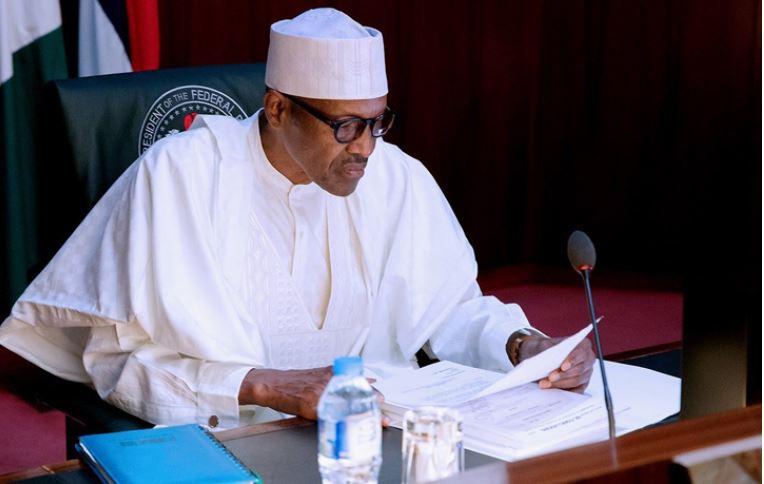
Prime Business Africa, December 1, 2021, exclusively reported that Nigeria’s President Muhammadu Buhari had declined assent to the 2021 Electoral Amendment Bill in the form it was submitted to him on November 19, 2021 and would not sign it without resolving the provision for Direct Primaries, which would cost the economy over N480 billion.
The dilemma on the matter caused the Chairman of the Independent National Electoral Commission (INEC), Mahmood Yakubu, and Attorney General of the Federation (AGF) Abubakar Malami, to covertly offer advice.
The duo, it was gathered, advised that a major component of the 2021 Electoral Amendment Bill would cost the country more than N480 billion ahead of the 2023 general elections; a cost which the president thought was too huge for the economy in its current state and with the subsisting run-away inflation.
Join our WhatsApp ChannelPrime Business Africa also urges that the Presidency should sign the Bill, irrespective of costs, to deepen the country’s democracy for effective governance.
Any alteration, even if it’s a jot, to the version of the original document, which the National Assembly submitted to President Buhari on November 19, would require a joint session of the National Assembly to effect the changes and re-submit to the Presidency.
The lawmakers might also decide to override the President’s veto and re-establish the 2021 Electoral Amendment Bill as originally submitted.
Either way, it would have amounted to the President declining the original electoral Bill in the form submitted to the Presidency on November 19, 2021.
Prime Business Africa, in this follow-up article, highlights six major reasons President Buhari has declined assent to the original document based on the recommended direct primary elections for political parties, and the Presidency now says it’s making wider consultations for solution:
1. It is based on an open ballot system. If the open ballot is acceptable at party primaries, why is it not acceptable in the election proper?
2. Cost would be prohibitive and the process would be cumbersome. There are 774 LGAs, so for every LGA election, the electoral bodies at the state level would first conduct primaries for all political parties at the council and chairmanship level.
Then INEC will conduct primaries for all state assembly candidates for all parties at state level, then conduct for NASS for all parties and governorship for all parties. This is absolute nonsense.
3. Duplication of efforts, as parties primaries would amount to INEC conducting elections before elections.
4. Resources needed would be too much to make any meaning. INEC does not have such resources
5. All political parties would now need to amend their constitutions to reflect the requirements of the electoral act, which is nonsense. Political parties are private “vehicles’ for seeking political offices, if the electoral laws do not govern how their structures and organs are constituted, why govern how they pick their candidates?
6. Multiplicity of membership, how do INEC and the parties control list of membership? Meaning a political party could influence candidates for the opposing party by proxy membership. That is one person could hold both APC as well as PDP membership.
All a smart politician would do is to create proxy membership of the opposition and use his proxies to vote for a weak person in the opposition.