 Emmanuel Ochayi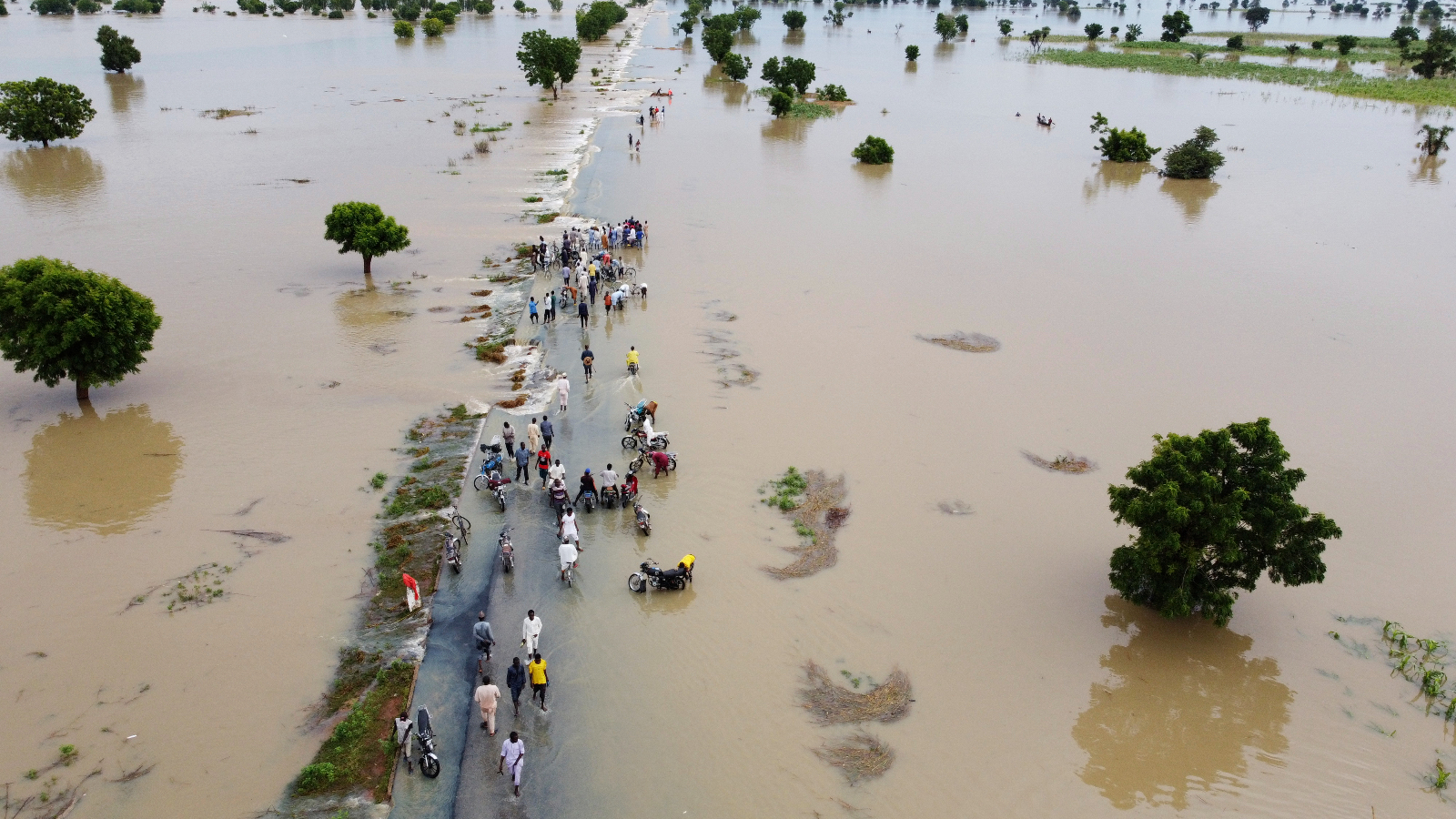
Flooding in Northern Nigeria: A Looming Health Crisis
The recent flooding in northern Nigeria has once again highlighted the country’s vulnerability to natural disasters, but the real concern is the public health disaster that may follow. With hundreds of thousands of people displaced and water sources contaminated, the risk of cholera and other infectious diseases has escalated dramatically.
Flooding is not new to Nigeria. The country experiences severe floods almost every year. However, what’s alarming this year is the widespread health implications that could arise from these floods, especially in regions already grappling with poor access to clean water and sanitation.
Join our WhatsApp ChannelCholera Risk in Flood-Affected Areas
Experts warn of a potential cholera outbreak as floodwaters mix with sanitation systems, rendering water sources unsafe. Dr. Stephen Adelaja, a public health expert, explained the gravity of the situation:
“Many water sources are now contaminated, creating a hazardous environment conducive to outbreaks of waterborne diseases like cholera. Immediate intervention is important to prevent a full-blown public health crisis.”
The United Nations Office for the Coordination of Humanitarian Affairs has also raised alarms, particularly in Borno State, which is home to many internally displaced persons (IDPs). These IDP camps are overcrowded and lack adequate sanitation facilities, making them fertile ground for the spread of diseases.
In Maiduguri, the Borno State capital, over 414,000 people have been displaced due to flooding, with at least 30 reported deaths. The National Emergency Management Agency (NEMA) further reports that over 23,000 households are directly affected by the floods.
The Impact of Flooding on Vulnerable Communities
The situation in northern Nigeria is dire. The communities affected by flooding are among the most vulnerable in the country, with many already struggling to access necessities like food, shelter, and clean water. Flooding has only worsened their plight.
“As floodwaters rise, people have no choice but to rely on contaminated water for daily use. This poses a significant risk of waterborne diseases such as cholera and dysentery,” said Francis Ohanyido, director-general of the West African Institute of Public Health.
Cholera is not a new problem in Nigeria, especially during the rainy season when flooding is more common. According to the World Health Organization (WHO), less than 30% of Nigerians have access to basic sanitation. The situation is even worse in northern Nigeria, where many rely on unsafe water sources.
READ ALSO: Residents Fear Cholera Outbreak May Worsen As Flooding Ravages Lagos
“In the flooded areas, the situation has worsened because even soak-away chambers have been flooded, leading to further contamination of water sources,” Adelaja said. “This makes an outbreak of cholera and other waterborne diseases very likely.”
Public Health System Under Pressure
Nigeria’s public health system has long been criticized for its lack of funding and inadequate infrastructure. The country has faced multiple outbreaks of infectious diseases in recent years, and its ability to handle such crises has been severely tested. The current flooding has only added pressure to an already strained system.
Adelaja pointed out that the spread of infectious diseases like cholera is largely due to poor access to clean water and inadequate sanitation. “One of the primary factors contributing to the spread of these diseases is the lack of basic sanitation infrastructure,” he said. “To prevent a major health disaster, we need to focus on improving access to clean water and waste disposal in these areas.”
The flooding has created conditions where infectious diseases can easily spread, and the Nigerian government must act quickly to prevent a major public health crisis.
Call for Immediate Action
Experts are calling for immediate action to prevent a cholera epidemic in northern Nigeria. This involves not only providing immediate relief but also addressing the underlying causes of the problem.
Francis Ohanyido stressed the importance of a comprehensive response:
“Nigeria faces a significant challenge when it comes to controlling infectious diseases. The country’s public health infrastructure is underfunded and lacks the resources needed to respond effectively. We need a concerted effort to improve healthcare delivery, invest in water and sanitation infrastructure, and raise public awareness about disease prevention.”
Medical practitioners like Dr.Ahmed Rabiu are also raising concerns about the long-term health impact of the floods.
“The aftermath of these floods will not only displace people but also lead to the contamination of water sources. This increases the risk of waterborne diseases such as cholera, dysentery, and typhoid. The flooding has worsened the situation not just in Borno but across northern Nigeria,” he said.
Long-Term Solutions Needed to Prevent Future Crises
While immediate action is crucial, there is also a need for long-term solutions to prevent future outbreaks of infectious diseases in Nigeria. This includes investment in water and sanitation infrastructure, improved healthcare delivery, and greater public awareness about disease prevention.
“We need to invest in infrastructure to provide access to clean water and sanitation, especially in flood-prone areas,” Adelaja said. “We also need to improve health education and community engagement to ensure that people understand the importance of proper hygiene and sanitation practices.”
The flooding in northern Nigeria should serve as a wake-up call for the government and international organizations. Without urgent and sustained action, the country risks facing not only more frequent natural disasters but also the devastating health consequences that follow.
The Bigger Picture: Flooding and Infectious Disease
Flooding in Nigeria is a recurring issue, and with climate change, it is only expected to worsen. The country must be prepared to deal with both the immediate and long-term effects of floods, particularly the risk of infectious disease outbreaks.
Experts warn that without significant improvements to Nigeria’s public health and sanitation systems, the country will continue to face outbreaks of diseases like cholera.
“As long as we fail to address the root causes of these problems, we will continue to see these outbreaks year after year,” Ohanyido concluded.
Flooding in northern Nigeria is not just a natural disaster; it is a public health emergency waiting to happen. It is time for the government and relevant agencies to act before the situation spirals out of control.

Emmanuel Ochayi is a journalist. He is a graduate of the University of Lagos, School of first choice and the nations pride. Emmanuel is keen on exploring writing angles in different areas, including Business, climate change, politics, Education, and others.