Nigerian Govt To Suspend Import Duties On Food Items, Pharmaceutical, Others For 6 Months To Tackle Inflation

June 6, 2024
Intra-Africa Trade: Nigeria Ranks Fourth, Follows South Africa, Cote d’Ivoire, Egypt

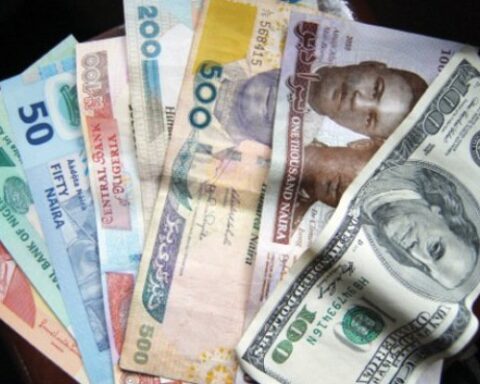
The Federal Government of Nigeria is set to implement a significant economic measure aimed at curbing inflation by suspending import duties on essential items for a period of six months.

This decision, outlined in an executive order reviewed by Nairametrics, targets staple food items, pharmaceutical products, and other critical commodities.

Join our WhatsApp Channel

According to the document, which is yet to bear the President’s signature but has been verified by Nairametrics, the suspension will encompass import duties on staple foods, raw materials crucial for manufacturing, agricultural inputs like fertilizers and seeds, pharmaceuticals, and poultry feeds, among others.

“The Inflation Reduction and Price Stability Order mandates strategic interventions to stabilize prices and support key sectors,” the document states. It further directs the Ministry of Finance and the Central Bank of Nigeria to facilitate low-interest loans aimed at bolstering the agriculture, pharmaceutical, and manufacturing industries.

READ ALSO: CBN Raises Exchange Rate For Import Duties To 1457$1

Additionally, the executive order hints at a potential suspension of value-added tax (VAT) on automotive gas oil, basic food items, semi-processed staple foods such as noodles and pasta, and raw materials for food production. This measure is expected to remain in effect for the rest of the year.

In a move aimed at addressing food inflation, the government is contemplating the importation of paddy rice and maize seeds, as highlighted in the Accelerated Stabilization and Advancement Plan (ASAP) submitted by Finance Minister Wale Edun. This plan underscores the urgency of mitigating rising food costs that have significantly impacted household budgets.

However, these measures appear to contradict earlier statements by President Tinubu, who had expressed reluctance towards continued food imports earlier this year, emphasizing self-sufficiency as a long-term strategy.

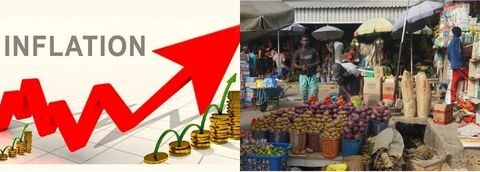
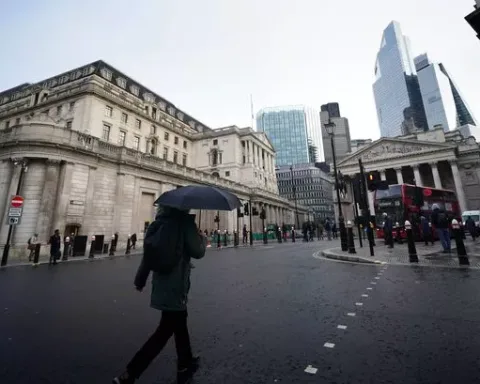
Nigeria is currently grappling with a severe food crisis, marked by a 40.5% food inflation rate. The cost of rice alone has surged by 169% in the past year, reaching nearly N90,000 per bag, exacerbating economic pressures and threatening food security for millions.

Experts warn that without immediate intervention, an estimated 31 million Nigerians could face acute food shortages by August, underscoring the urgency of government action beyond economic implications, impacting health, education, and overall societal stability.

This executive order, if enacted, aims not only to stabilize prices but also to provide relief to vulnerable households amidst mounting economic challenges.

Emmanuel Ochayi

Emmanuel Ochayi is a journalist. He is a graduate of the University of Lagos, School of first choice and the nations pride. Emmanuel is keen on exploring writing angles in different areas, including Business, climate change, politics, Education, and others.
Investors Withdrawal Looms For 20 modular refineries Over Crude Oil Supply
Previous Story

Investors Withdrawal Looms For 20 modular refineries Over Crude Oil Supply

Obi Reacts To Poor Performance In 2025 UTME, Calls For Aggressive Investment In Education
Next Story

Obi Rejects LP’s Creation Of Directorate For Obidient Movement

Featured Stories

Latest from Business

Tinubu Constitutes Taskforce to Revamp Petroleum Industry

President Bola Tinubu has inaugurated a Presidential Petroleum Reform and Value Optimisation Taskforce to plan the next stage of reforms in Nigeria’s petroleum sector. Mr Fola Adeola, co-founder of Guaranty Trust Bank and founder of the Fate Foundation, was appointed chairman of

Investigation Reveals 23 Damaged Components on Arik Air Flight

Nigeria’s air accident investigators said a passenger aircraft operated by Arik Air suffered damage to at least 23 components after an abnormal engine incident during a flight in February. In a preliminary report released on Friday, the Nigerian Safety Investigation Bureau said
Why CBN Retained Bencmark Interest Rate At 27.5%

CBN Directs Banks to Deny Debtors New Loans

Central Bank of Nigeria has directed commercial banks to deny additional credit and certain banking services to large borrowers with non-performing loans, in a move aimed at strengthening credit discipline and reducing financial risks in the banking system. In a letter dated March 12,
Bulls Charge Ahead As NGX Shatters Records As Market Cap Surpasses N50trn

RT Briscoe Tops NGX Losers’ List, Guinness Among Gainers

The market capitalisation of the Nigerian Exchange (NGX) was N127.36 trillion on Friday, March 13, while the all-share index (ASI) closed at 198,407.3 ASI. Equity investors traded 591.04 million shares in 53,066 deals, valued at N35 billion on Friday.Join our WhatsApp Channel
Investors Withdrawal Looms For 20 modular refineries Over Crude Oil Supply
Previous Story

Investors Withdrawal Looms For 20 modular refineries Over Crude Oil Supply

Obi Reacts To Poor Performance In 2025 UTME, Calls For Aggressive Investment In Education
Next Story

Obi Rejects LP’s Creation Of Directorate For Obidient Movement

Don't Miss

Does U.S. Supreme Court Deserve Justice Ketanji  Onyika Brown Jackson?

Justice Ketanji Onyika Brown Jackson was nominated by President Joe

Africa’s Billionaire Landscape: Nigeria Dominates with 35% of Total Wealth

The wealth of African billionaires has seen a significant surge,