 Emmanuel Ochayi
The International Monetary Fund (IMF) has reiterated its call for Nigeria to eliminate implicit fuel and electricity subsidies, warning of dire economic consequences if not addressed promptly.
In a report, the IMF emphasized the need for fiscal responsibility and the creation of space for developmental projects.
Join our WhatsApp Channel“Subsidies on fuel and electricity pose a significant burden on Nigeria’s economy,” stated the IMF report. “These subsidies, if not addressed, could consume a substantial portion of the nation’s Gross Domestic Product.”
President Bola Tinubu’s administration took a step towards subsidy removal by eliminating fuel subsidies in 2023. However, the IMF noted concerns regarding the adequacy of compensatory measures for people with low income and the reemergence of implicit subsidies due to cap pump prices.
The report highlighted the tripling of electricity prices for high-use premium consumers, affecting a significant portion of the population. The IMF recommended tariff adjustments to alleviate the subsidy burden while providing relief to vulnerable groups, particularly in rural areas.
“While it’s essential to support the vulnerable, subsidies must be targeted effectively,” emphasized the IMF. “Costly and untargeted subsidies disproportionately benefit higher-income groups.”
The projected cost of implicit fuel subsidies is staggering, expected to reach billions in 2024 alone. Similarly, the electricity subsidy for various customer bands is forecasted to amount to significant financial implications.
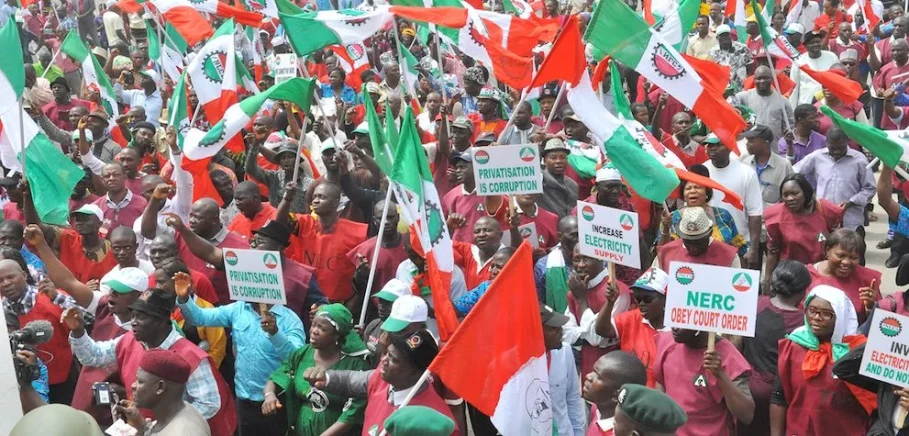
In response to the IMF’s call, Nigerians have expressed concerns over the potential impact on household budgets. Protests have erupted, particularly regarding the Band A tariff, with demands for its restoration to previous levels.
“The removal of electricity subsidy could further exacerbate the financial strain on ordinary citizens,” voiced a protester. “We urge the government to consider the welfare of the people before implementing such measures.”
Amidst growing dissent, the Minister of Power, Adebayo Adelabu, faces mounting pressure to address public grievances. Organized labor has threatened to stage protests if their concerns are not addressed promptly.
As the debate intensifies, the Nigerian government faces a delicate balancing act between economic stability and social welfare. The IMF’s recommendations underscore the importance of targeted policies to ensure sustainable development and mitigate the impact on vulnerable populations.
In light of the IMF’s warning, Nigeria stands at a critical juncture, with decisions regarding subsidy removal carrying profound implications for the nation’s economic future.

Emmanuel Ochayi is a journalist. He is a graduate of the University of Lagos, School of first choice and the nations pride. Emmanuel is keen on exploring writing angles in different areas, including Business, climate change, politics, Education, and others.
- Emmanuel Ochayi
- Emmanuel Ochayi