Admin
Admin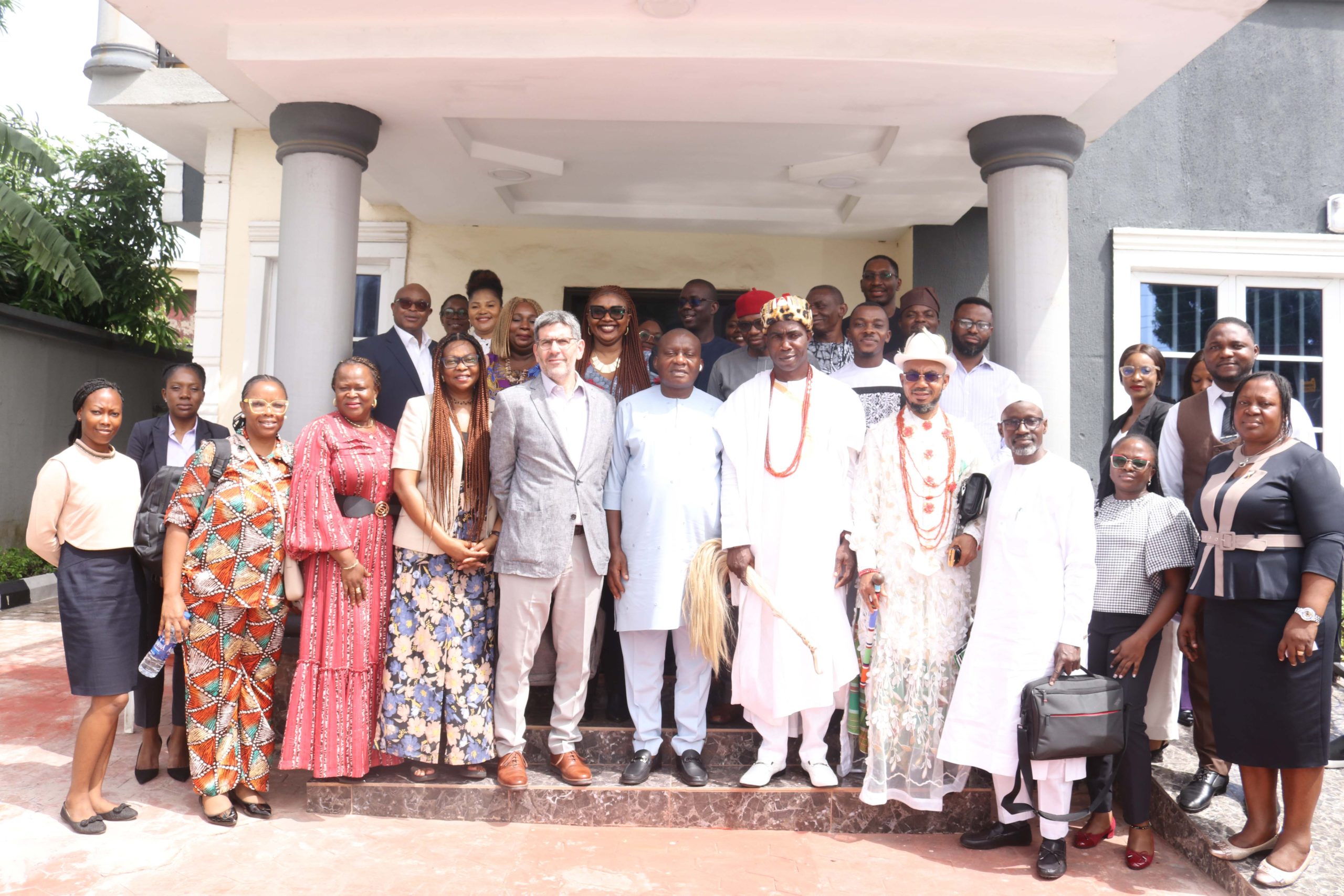
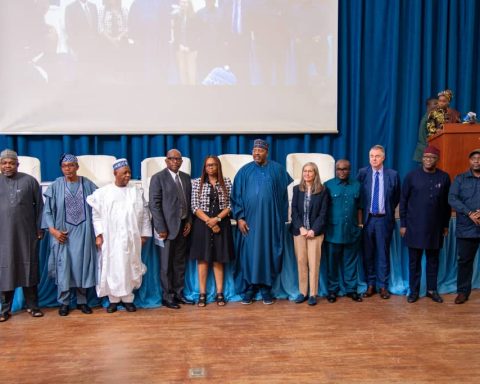
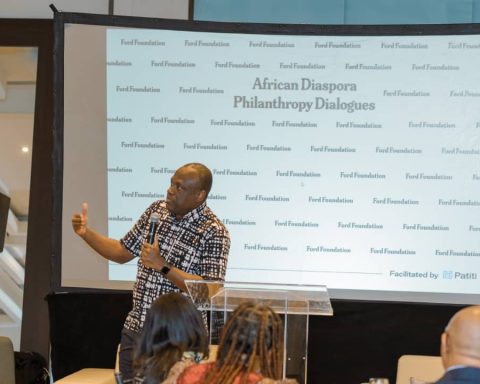
The Ford Foundation civil society partners, with support from the Ford Foundation, have convened a pivotal meeting organised by Spaces for Change to address the pressing issue of Host Community Development Trusts (HCDTs) implementation in Nigeria.
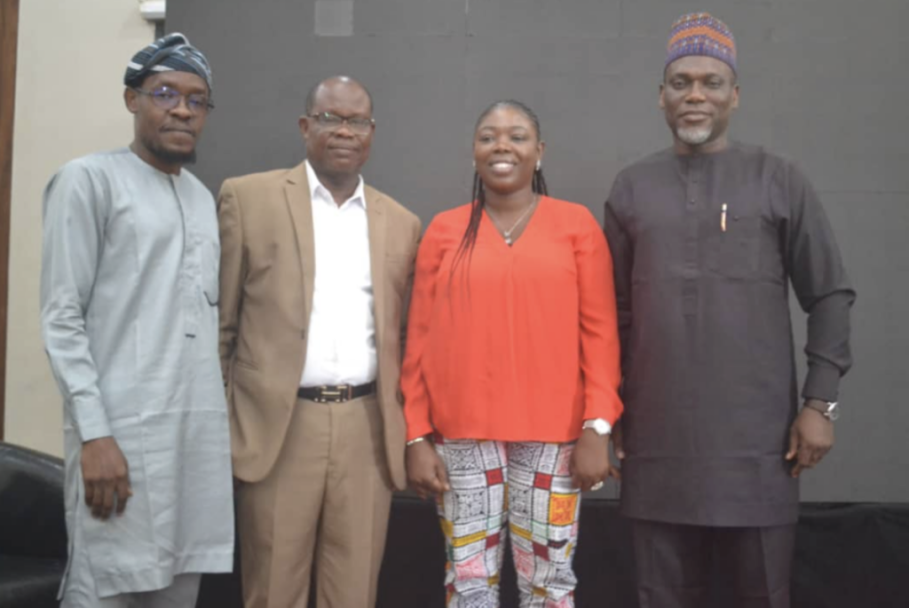
Bringing together a diverse assembly of stakeholders, including Legislators, representatives from civil society organisations (CSOs), traditional councils, host communities, regulatory bodies, and oil & gas companies, the event served as a platform for robust dialogue and collaborative problem-solving.
Participants highlighted the potential of HCDTs, introduced in Nigeria’s Petroleum Industry Act (PIA), as channels for directing benefits to communities where oil and gas extraction occurs. They noted that HCDTs offer greater advantages to host communities compared to earlier models such as the Global Memoranda of Understanding (GMOUs). However, stakeholders voiced concerns about various aspects of the implementation process of the HCDTs, including flawed selection processes for Boards of Trustees, ambiguity surrounding the allocation of the 3% OpEx, power imbalances between corporations and host communities, lack of environmental accountability during divestment, and the absence of independent monitoring and evaluation mechanisms.
HRM King Dr. Baridam Suani T.Y, of the Ogoni Traditional Council, underscored the urgent need for environmental accountability in the implementation of HCDTs, stating, “Diversification without environmental accountability is a dangerous activity… Operators should think of the environment first, and take care of liabilities before leaving the HC permanently.” The meeting emphasized the critical role of various actors in ensuring the successful implementation of HCDTs. CSOs were lauded for providing capacity building, raising awareness, and advocating for community rights. Traditional councils were recognized for representing community interests and ensuring transparency. Host communities were encouraged to engage actively in the HCDT process and hold companies accountable. Regulatory bodies were acknowledged for overseeing compliance, resolving disputes, and managing Decommissioning and Abandonment Funds for environmental remediation.
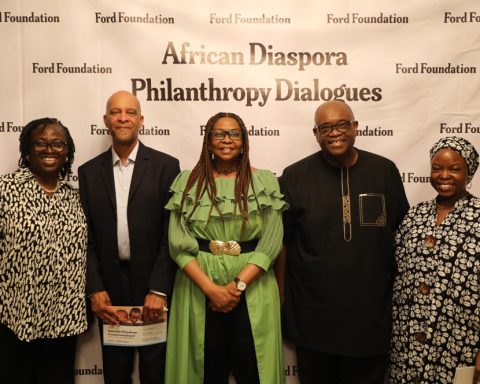
Participants commended the Ford Foundation for providing resources, supporting capacity building, and connecting local conversations to global discussions on natural resource governance. Dr. Chichi Aniagolu-Okoye, Regional Director of Ford Foundation West Africa, assured grantees of the foundation’s commitment to natural resource and climate change initiatives through the provision of funding for the next five years for civil society actors in these focus areas.
Martin Abregu, Vice President of International Programs at the Ford Foundation, commended grantees for their key interventions aimed at improving democracy and the extractive sector. “It is encouraging to see different players sitting around the table to have conversations about interventions in areas of climate change, community rights, community engagement, and community participation to ensure that we build long-term consensus on the kind of development we need for the future,” he stated.
The meeting concluded with a renewed commitment from all stakeholders to work collaboratively towards the effective implementation of HCDTs in Nigeria while the Ford Foundation emphasized its continued support for this process and its dedication to connecting local efforts with global conversations on resource governance and climate change.