Emmanuel Ochayi
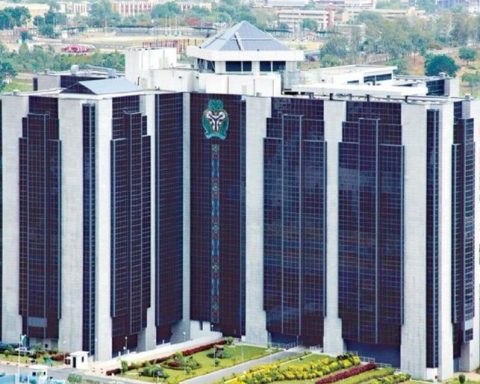
CBN Governor, Olayemi Cardoso, on Wednesday, January 24, announced that the pump prices of petrol are set to experience a noteworthy decrease throughout the year.
This announcement comes as government and private-owned refineries gear up for operations, marking a pivotal moment for Nigeria’s economic landscape.
Join our WhatsApp ChannelREAD ALSO: Dangote Refinery: Will Petrol Price Crash?
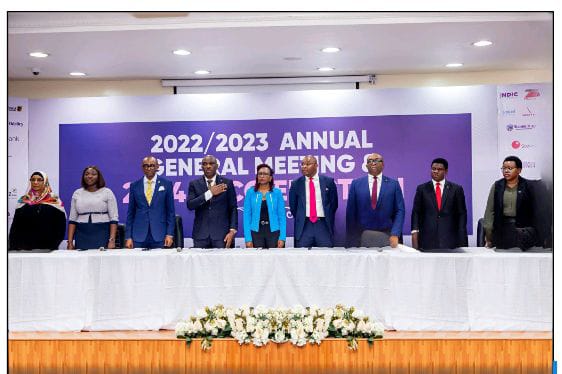
Cardoso shared this optimistic outlook during the launch of the Nigerian Economic Summit Group (NESG) 2024 Macroeconomic Outlook Report in Lagos. The expected stabilisation or reduction in fuel costs is anticipated to reverberate across various sectors, playing a pivotal role in bolstering overall economic efficiency and resilience.
One of the key players in this economic shift is the Dangote Refinery, which has already initiated production. Furthermore, the Port Harcourt Refinery is poised to commence production in the near future, adding to the country’s energy production capabilities.
The CBN Governor highlighted the collaborative efforts of the apex bank, the Ministry of Finance, and the Nigerian National Petroleum Corporation Limited (NNPCL). Together, they are working diligently to ensure that all foreign exchange (FX) inflows are channeled back to the Central Bank. This strategic move aims to boost reserves accretion, fortifying the nation’s economic foundation.
The significance of these developments extends beyond the immediate relief at the pump. A reduction in fuel prices is expected to have far-reaching implications for businesses, consumers, and the overall economic climate. Lower fuel costs translate to reduced operational expenses for businesses, potentially leading to increased productivity and job creation.
Consumers stand to benefit as well, experiencing relief from the burden of high transportation costs and inflationary pressures associated with elevated fuel prices. This, in turn, can stimulate spending across various sectors, promoting economic growth and stability.
The operationalization of refineries is not merely an economic booster but also a strategic move towards energy self-sufficiency. With indigenous refineries contributing significantly to the nation’s fuel production, Nigeria is positioned to reduce its reliance on imported petroleum products, enhancing energy security and sovereignty.
As the government and private sector unite to ensure the success of these refineries, there is a palpable sense of optimism in the air. The ripple effect of reduced petrol prices is poised to create a more resilient and competitive economic environment for Nigeria, attracting potential investors and fostering sustainable development.
Moreover, as the wheels of these refineries begin to turn, Nigeria finds itself on the cusp of a transformative economic shift. The anticipated drop in petrol prices serves as a beacon of hope, promising not only relief for consumers but also a catalyst for economic growth and resilience.
The collaborative efforts of key institutions underscore a commitment to steering the nation towards a more prosperous and self-sufficient future.