2024 Budget: Nigerian Govt Prioritizes Security, Infrastructure Over Poverty

November 30, 2023
2024 Budget: Nigerian Govt Allocates 2% For Combating Poverty Amidst Security, Infrastructure Dominance

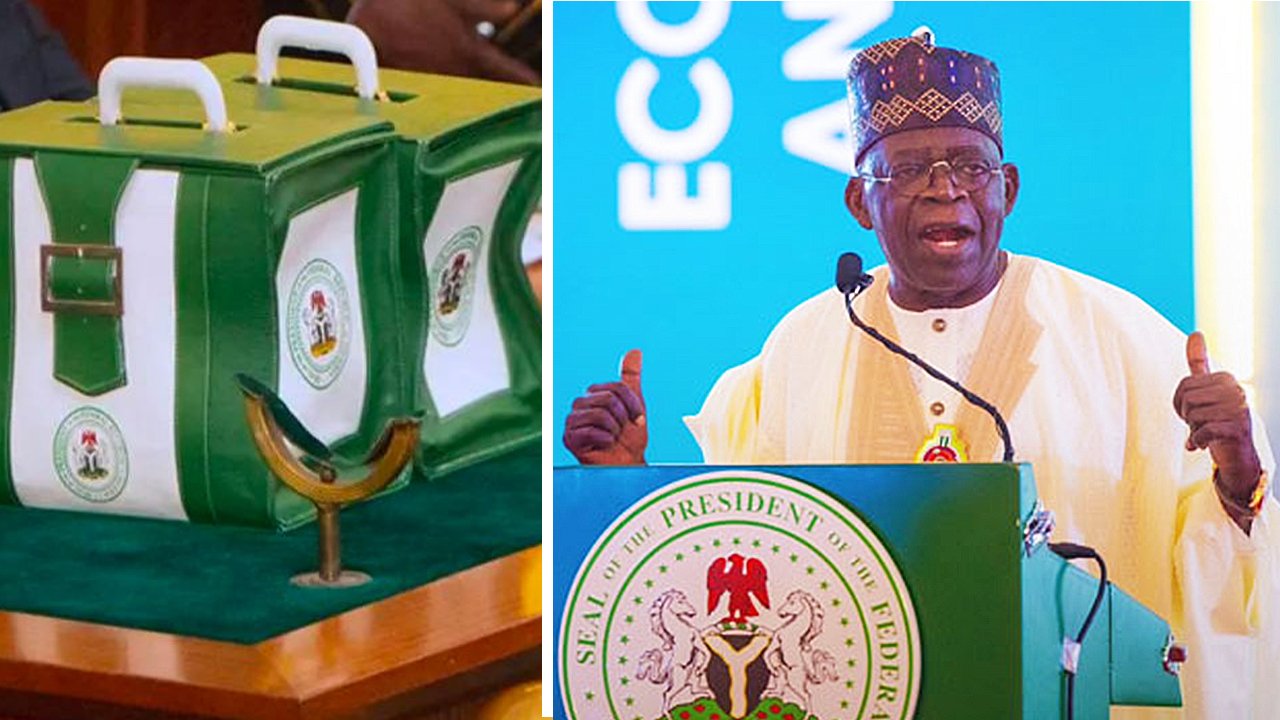
The 2024 budget proposal by the Federal Government, allocating 2% for poverty reduction and social development, worth N534 billion, has sparked concerns amid soaring poverty rates, security challenges, and a colossal infrastructure deficit in Nigeria.

In a presentation of the budget breakdown by the Minister of Budget and Economic Planning, Abubakar Atiku Bagudu, it was highlighted that this allocation pales in comparison to the World Bank’s estimated annual requirement of N3.7 trillion to eradicate poverty in the country.

Join our WhatsApp Channel

“The budget’s meager allocation to poverty reduction overlooks the urgent need to address the dire situation of 133 million multi-dimensionally poor Nigerians,” remarked analysts, emphasizing the necessity for a more financial commitment to combat poverty.

READ ALSO: 2024 Budget: Tinubu Projects 33.5% Reduction In Deficit

While the Federal Government prioritizes security with 12% allocation (approximately N3.25 trillion) due to the prevailing security challenges, a mere 5% (about N1.32 trillion) is earmarked for infrastructure development despite the nation’s infrastructure deficit.

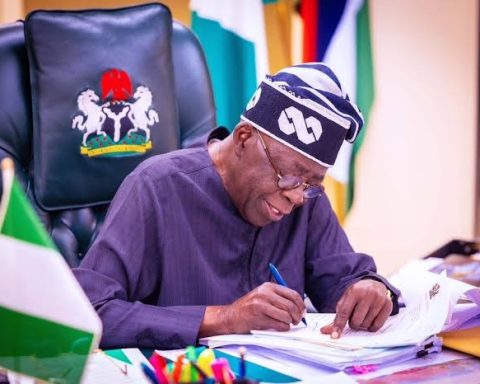
President Bola Tinubu defended the budget’s focus, stating, “The 2024 budget aims to complete critical infrastructure projects to alleviate structural economic issues and reduce living costs for Nigerians.”

However, critiques argue that the allocations seem to perpetuate a trend of favoring security over critical social and infrastructural needs. They expressed concerns that the rising poverty levels persist despite prior initiatives like the plan to lift 100 million Nigerians out of poverty.

Tinubu’s administration had promised an economic model centered on job creation, food security, and ending extreme poverty. Despite these assurances, recent policies such as the removal of fuel subsidies have disproportionately affected the poor and vulnerable.

In response to the escalating poverty, the Federal Executive Council approved a $5 billion annual trust fund for poverty alleviation, with 70% of funding expected from donor agencies.

Moreover, initiatives, including the National Social Safety Net Programme-Scale Up, have seen World Bank support amounting to $299.99 million.

The World Bank stressed the critical role of cash transfers in averting intergenerational poverty traps amid economic challenges, warning that 7.1 million more Nigerians could plunge into poverty without adequate compensation for policies like the fuel subsidy removal.

As Nigerians grapple with rising poverty rates, analysts urge a more comprehensive approach in the budget allocation, emphasizing the crucial need for investment in poverty eradication, social development, and infrastructure to uplift the country’s socio-economic landscape.

emmmmmm
+ posts

Emmanuel Ochayi is a journalist. He is a graduate of the University of Lagos, School of first choice and the nations pride. Emmanuel is keen on exploring writing angles in different areas, including Business, climate change, politics, Education, and others.

Emmanuel Ochayi

Emmanuel Ochayi is a journalist. He is a graduate of the University of Lagos, School of first choice and the nations pride. Emmanuel is keen on exploring writing angles in different areas, including Business, climate change, politics, Education, and others.
AfDB on Burundi's Bancobu
Previous Story

AfDB Revises Africa’s Economic Growth From 4.3% To 3.8% In 2024, Cites Multifaceted Challenges

Yuletide: Each Lagosian Consumes 50kg Rice Yearly - Lagos Govt, Prices Eko Rice At N43k, N22k
Next Story

Yuletide: Each Lagosian Consumes 50kg Rice Yearly – Lagos Govt, Prices Eko Rice At N43k, N22k

Featured Stories

Latest from Business

Black Market, Official Window Dollar Rates' Gap Widens To N127 After BDCs Hike USD Price

Dollar Rate Increases To N1,366/$ In Official Market

On Thursday, February 5, N1,366.05 per dollar was the official rate for the United States (US) currency in the Nigerian foreign exchange market (NFEM), rising above the N1,358.28 kobo per $1 reported on Wednesday, February 4. This represents a N7.72 kobo increase

Nigerian Stock Market Cap Hits N109.12trn — up by N1.26trn

The Nigerian Exchange (NGX) said the bourse’s market capitalisation increased from N107.86 trillion, recorded on Wednesday, February 4, to N109.12 trillion on Thursday, February 5, representing an increase of N1.26 trillion. NGX said the all-share index (ASI) expanded by 1,975.18 basis points
John Holt, CWG, Others End Nigerian Stock Market Losing Streak With N141.70bn Gain

NGX Market Cap Rises By N1.36trn, Traders Exchange N20.56bn Shares

The market capitalisation of the Nigerian Exchange (NGX) increased by N1.36 trillion to N107.86 trillion on Wednesday, February 4, up from the N106.49 trillion reported on Tuesday, February 3. Also, the all-share index (ASI) appreciated to 168,030.18 ASI, from 165,901.57 ASI, representing a
AfDB on Burundi's Bancobu
Previous Story

AfDB Revises Africa’s Economic Growth From 4.3% To 3.8% In 2024, Cites Multifaceted Challenges

Yuletide: Each Lagosian Consumes 50kg Rice Yearly - Lagos Govt, Prices Eko Rice At N43k, N22k
Next Story

Yuletide: Each Lagosian Consumes 50kg Rice Yearly – Lagos Govt, Prices Eko Rice At N43k, N22k

Don't Miss

Rivers Rift: I’m Doing Well In Abuja Like State Governor - Wike Tackles Fubara

Rivers Rift: I’m Doing Well In Abuja Like State Governor – Wike Tackles Fubara

In his first public comment on the feud between him
Senate President Ahmed Lawan 1

Senate Panel Rejects Buhari’s $700 Million Loan Request For Water Project

SENATE Committee on Local and Foreign Debt has turned down