 Emmanuel Ochayi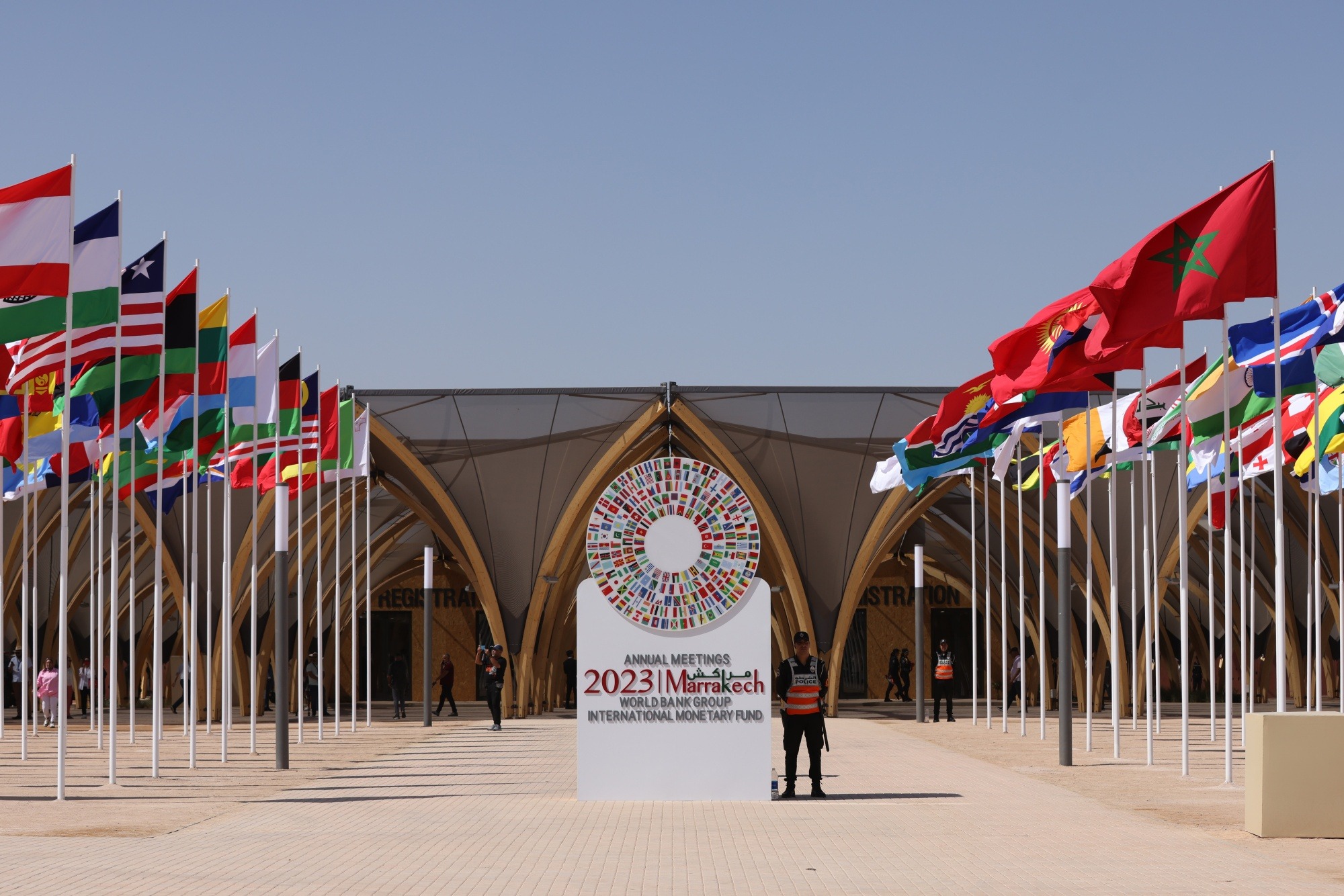
The International Monetary Fund (IMF) has delivered sobering news for Nigeria’s economic prospects. In their 2023 World Economic Outlook, released during the Annual Meetings in Marrakech, Morocco, the IMF has revised Nigeria’s growth projection downward by 0.3 percentage points. This downgrade is primarily attributed to weakened oil and gas production, partially due to maintenance work.
The Outlook predicts Nigeria’s growth to drop from 3.3% in 2022 to 2.9% in 2023, with a subsequent recovery to 3.1% in 2024. High inflation’s adverse effects on consumption are the major driving force behind this decline.
Join our WhatsApp ChannelFurthermore, Sub-Saharan Africa is also set to face a similar trend, with growth expected to decrease to 3.3% in 2023 before rebounding to 4.0% in 2024. These revisions of 0.2 and 0.1 percentage points for 2023 and 2024 respectively place regional growth below the historical average of 4.8%.
READ ALSO: History As Africa Hosts First World Bank/IMF Meeting In 50 years
The reasons behind this worrisome decline are multifaceted, including worsening weather shocks, a global economic slowdown, and domestic supply challenges, notably within the electricity sector. The global growth rate isn’t immune either, as it’s expected to decrease from 3.5% in 2022 to 3.0% in 2023 and further to 2.9% in 2024.
However, emerging markets and developing economies are poised for a relatively modest decline in growth, from 4.1% in 2022 to 4.0% in both 2023 and 2024.
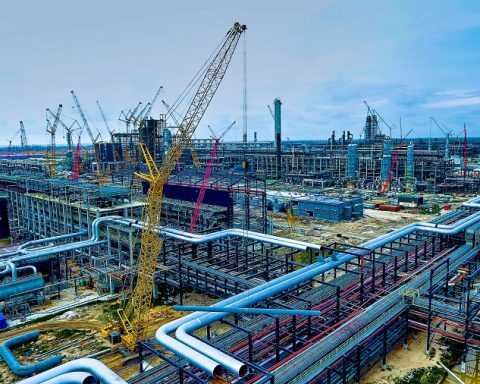
Nigeria’s oil production, often touted as a potential savior, faces its own set of challenges. Citigroup Global Markets Limited notes that despite its promise, increased oil production remains elusive due to the scale of crude oil theft and the challenges of getting companies to invest in aged infrastructure.
Looking ahead, the IMF emphasizes the importance of multilateral cooperation to tackle the global challenges impeding recovery. Collaborative efforts across domains are crucial to avoid fragmentation in the global economic landscape. Rebuilding confidence in multilateral frameworks, particularly in trade policies, is essential to foster worldwide prosperity and encourage economic growth.