 Emmanuel Ochayi
Nigeria, Africa’s largest oil producer, is experiencing a steady drop in crude oil production. Once a major global supplier, the country has struggled to maintain its production levels due to several challenges. These include oil theft, pipeline vandalism, regulatory uncertainties, and the global shift towards renewable energy.
The decline in crude oil production is not just a technical issue—it has serious economic implications. Oil revenue accounts for a significant portion of Nigeria’s national budget, and lower production means reduced government earnings. This situation raises concerns about the country’s ability to fund essential services and infrastructure.
Join our WhatsApp ChannelWhat is driving this decline, and what does the future hold for Nigeria’s oil industry? Prime Business Africa presents 5 reasons, they are:
READ ALSO: Nigeria Needs Improved Security, Investment To Achieve Over 2 mbpd Crude Oil Production – Report
Oil Theft and Pipeline Vandalism Threaten Crude Oil Production
One of the biggest problems affecting crude oil production in Nigeria is large-scale oil theft and pipeline vandalism. Criminal networks, often working with insiders, siphon crude oil from pipelines and sell it illegally. According to industry reports, Nigeria loses hundreds of thousands of barrels daily to oil theft.
The government has deployed security agencies and private contractors to protect oil facilities, but the problem persists. Many oil companies have also been forced to shut down operations in high-risk areas, reducing overall production.
If this issue remains unchecked, Nigeria’s crude oil production could continue to decline, affecting revenue and foreign investment.
Aging Infrastructure and Poor Maintenance
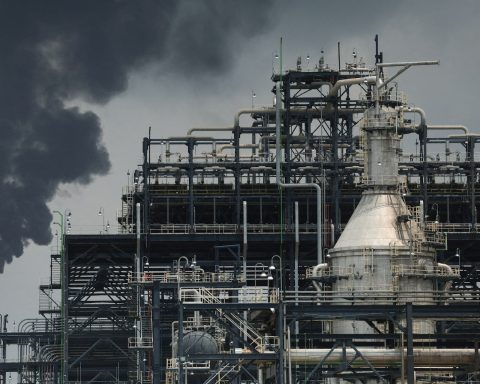
Nigeria’s oil infrastructure is outdated and poorly maintained. Many pipelines, refineries, and export terminals were built decades ago and are in urgent need of repair. Frequent leaks, fires, and breakdowns have led to production delays and environmental damage.
International oil companies have been hesitant to invest in infrastructure upgrades due to uncertainty in government policies and security risks. Without urgent investments in modern facilities, crude oil production will struggle to recover.
The government has made efforts to attract foreign investment, but policy inconsistencies and bureaucratic bottlenecks have slowed progress.
Regulatory Uncertainty Slows Investment in Crude Oil Production
Uncertainty in Nigeria’s oil and gas regulations has discouraged investment in crude oil production. The introduction of the Petroleum Industry Act (PIA) in 2021 was expected to bring clarity, but concerns over its implementation remain.
Oil companies have expressed frustration over multiple taxation, revenue-sharing disputes, and delays in securing operating licenses. This has made Nigeria less attractive to investors compared to other oil-producing countries.
Until the government ensures stable and investor-friendly policies, oil companies may continue to hold back on expanding production.
Global Shift Towards Renewable Energy Affects Demand
The global push for renewable energy is also impacting Nigeria’s crude oil production. Many countries are reducing their reliance on fossil fuels to combat climate change. This shift has led to lower investment in new oil projects worldwide, including in Nigeria.
Major oil companies are now focusing on cleaner energy alternatives, and financial institutions are reducing funding for oil projects. Nigeria’s dependence on crude oil means the country must either adapt to the changing energy market or risk falling behind.
While oil will remain relevant for years, Nigeria must develop strategies to diversify its economy and reduce reliance on crude oil exports.
What’s Next for Nigeria’s Oil Industry?
The future of Nigeria’s crude oil production depends on how the government addresses these challenges.
- Stronger Security Measures: The government must intensify efforts to combat oil theft and vandalism through improved security, stricter penalties, and better monitoring technologies.
- Investment in Infrastructure: Upgrading oil infrastructure will be critical in boosting production efficiency and reducing losses.
- Regulatory Stability: A clear and consistent regulatory framework will encourage foreign investment and increase production capacity.
- Economic Diversification: Nigeria must reduce its dependence on crude oil by developing other sectors such as agriculture, manufacturing, and renewable energy.
- Global Market Adaptation: The country should explore ways to benefit from the global energy transition, such as investing in cleaner energy sources while optimising oil production.
If Nigeria can address these issues effectively, the country’s crude oil production may stabilise, securing vital revenue for economic growth. However, failure to act could see further declines, pushing the economy into deeper uncertainty.

Emmanuel Ochayi is a journalist. He is a graduate of the University of Lagos, School of first choice and the nations pride. Emmanuel is keen on exploring writing angles in different areas, including Business, climate change, politics, Education, and others.
- Emmanuel Ochayi
- Emmanuel Ochayi