2024 Budget: Nigerian Govt Prioritizes Security, Infrastructure Over Poverty

November 30, 2023
2024 Budget: Nigerian Govt Allocates 2% For Combating Poverty Amidst Security, Infrastructure Dominance

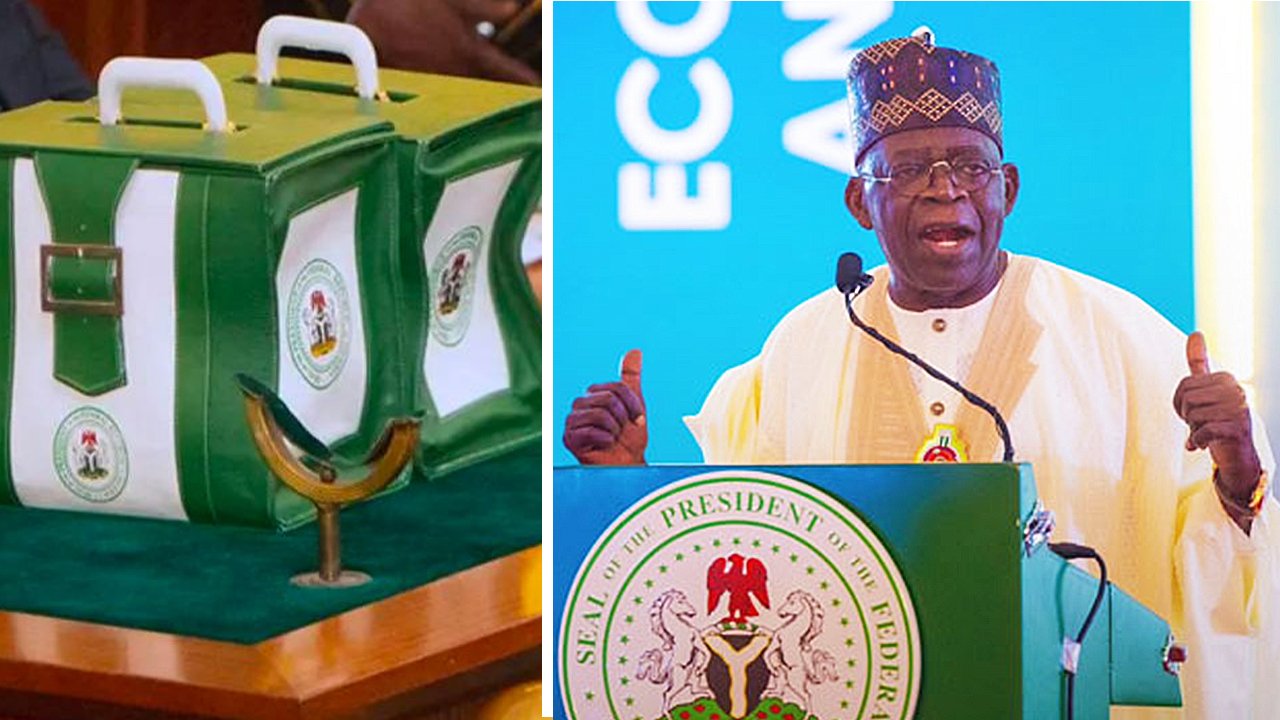
The 2024 budget proposal by the Federal Government, allocating 2% for poverty reduction and social development, worth N534 billion, has sparked concerns amid soaring poverty rates, security challenges, and a colossal infrastructure deficit in Nigeria.

In a presentation of the budget breakdown by the Minister of Budget and Economic Planning, Abubakar Atiku Bagudu, it was highlighted that this allocation pales in comparison to the World Bank’s estimated annual requirement of N3.7 trillion to eradicate poverty in the country.

Join our WhatsApp Channel

“The budget’s meager allocation to poverty reduction overlooks the urgent need to address the dire situation of 133 million multi-dimensionally poor Nigerians,” remarked analysts, emphasizing the necessity for a more financial commitment to combat poverty.

READ ALSO: 2024 Budget: Tinubu Projects 33.5% Reduction In Deficit

While the Federal Government prioritizes security with 12% allocation (approximately N3.25 trillion) due to the prevailing security challenges, a mere 5% (about N1.32 trillion) is earmarked for infrastructure development despite the nation’s infrastructure deficit.

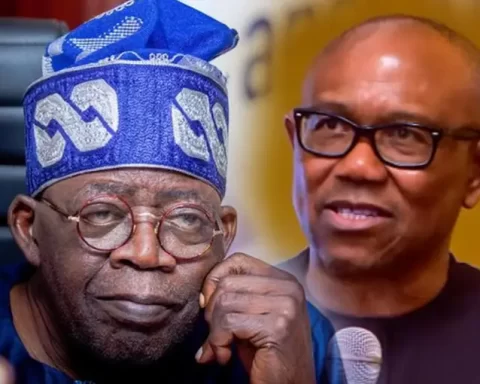
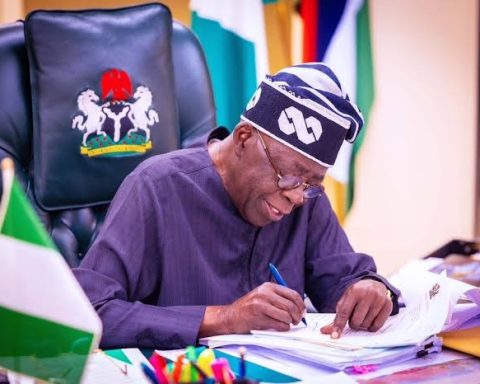
President Bola Tinubu defended the budget’s focus, stating, “The 2024 budget aims to complete critical infrastructure projects to alleviate structural economic issues and reduce living costs for Nigerians.”

However, critiques argue that the allocations seem to perpetuate a trend of favoring security over critical social and infrastructural needs. They expressed concerns that the rising poverty levels persist despite prior initiatives like the plan to lift 100 million Nigerians out of poverty.

Tinubu’s administration had promised an economic model centered on job creation, food security, and ending extreme poverty. Despite these assurances, recent policies such as the removal of fuel subsidies have disproportionately affected the poor and vulnerable.

In response to the escalating poverty, the Federal Executive Council approved a $5 billion annual trust fund for poverty alleviation, with 70% of funding expected from donor agencies.

Moreover, initiatives, including the National Social Safety Net Programme-Scale Up, have seen World Bank support amounting to $299.99 million.

The World Bank stressed the critical role of cash transfers in averting intergenerational poverty traps amid economic challenges, warning that 7.1 million more Nigerians could plunge into poverty without adequate compensation for policies like the fuel subsidy removal.

As Nigerians grapple with rising poverty rates, analysts urge a more comprehensive approach in the budget allocation, emphasizing the crucial need for investment in poverty eradication, social development, and infrastructure to uplift the country’s socio-economic landscape.

emmmmmm
+ posts

Emmanuel Ochayi is a journalist. He is a graduate of the University of Lagos, School of first choice and the nations pride. Emmanuel is keen on exploring writing angles in different areas, including Business, climate change, politics, Education, and others.

Emmanuel Ochayi

Emmanuel Ochayi is a journalist. He is a graduate of the University of Lagos, School of first choice and the nations pride. Emmanuel is keen on exploring writing angles in different areas, including Business, climate change, politics, Education, and others.
AfDB on Burundi's Bancobu
Previous Story

AfDB Revises Africa’s Economic Growth From 4.3% To 3.8% In 2024, Cites Multifaceted Challenges

Yuletide: Each Lagosian Consumes 50kg Rice Yearly - Lagos Govt, Prices Eko Rice At N43k, N22k
Next Story

Yuletide: Each Lagosian Consumes 50kg Rice Yearly – Lagos Govt, Prices Eko Rice At N43k, N22k

Featured Stories

Latest from Business News

Fuel Subsidy: World Bank Must Allow Africa’s Poor Breathe

World Bank Flags Taxes, Bribery as Constraints on Kenya Businesses

Written by Amanze Chinonye Kenya’s private sector faces higher costs and uncertainty from multiple taxes, regulatory hurdles and bribery, the World Bank said on Thursday, warning that the constraints are weighing on investment and business growth. While Kenya’s corporate income tax rate is

Rwanda Expands Fuel Imports Through Mombasa under Kenya Deal

Written by Amanze Chinonye Rwanda has begun importing bulk refined petroleum products through Kenya’s Mombasa port under a new government-to-government arrangement aimed at diversifying its fuel supply routes and strengthening energy security, with the first 40,000-tonne cargo arriving this week. Join our WhatsApp

Wealth Without Access is Stranded Wealth – Opiva Capital Chairman 

Written by Kamsiyochukwu Mbamalu The Chairman of Optiva Capital Partners, Franklin Nechi, has called on African entrepreneurs, investors and families to move beyond traditional wealth accumulation and embrace global access as a strategic tool for business growth, family security and intergenerational legacy. Nechi
AfDB on Burundi's Bancobu
Previous Story

AfDB Revises Africa’s Economic Growth From 4.3% To 3.8% In 2024, Cites Multifaceted Challenges

Yuletide: Each Lagosian Consumes 50kg Rice Yearly - Lagos Govt, Prices Eko Rice At N43k, N22k
Next Story

Yuletide: Each Lagosian Consumes 50kg Rice Yearly – Lagos Govt, Prices Eko Rice At N43k, N22k

Don't Miss

Anambra Airport

Anambra Airport Approval: United Nigeria Airlines Initiates Awka Flights

Prime Business Africa reports that the United Nigeria Airlines has
APC Chairman Abdullahi Ganduje

APC Declares Operation ‘Capture South East’, Banks On Edo Template

After pocketing Edo State, APC says consolidating in  Ondo and